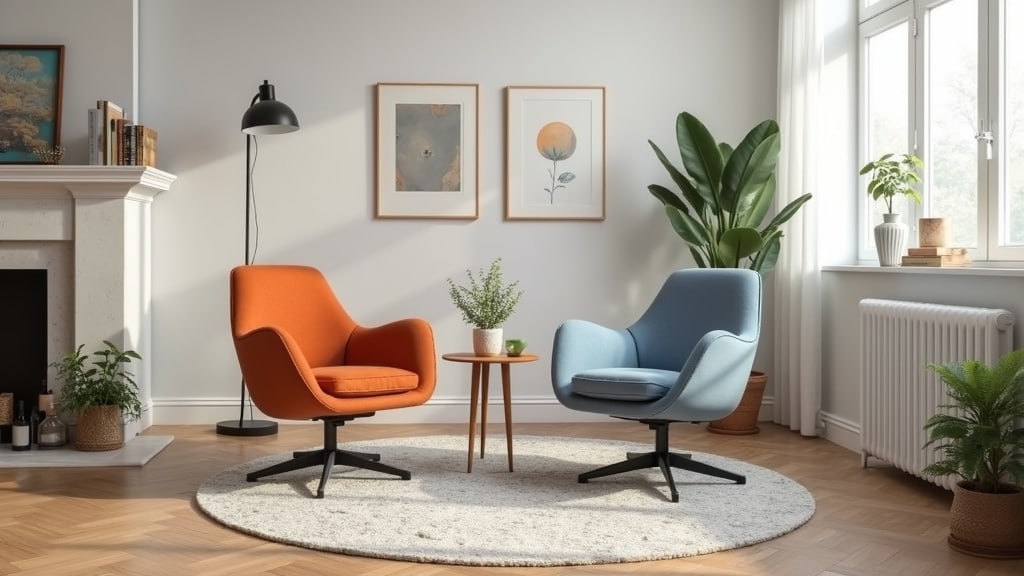
What Is a Reading Chair? Plain and Simple
On this page (8 sections)
A reading chair is a specialized armchair designed for long periods of sitting while reading. For related guidance, see our guide to Club vs Armchair In. It prioritizes ergonomic comfort with features like supportive armrests and a reclined angle, helping you focus on your book without back strain.
Unlike a standard dining or accent chair, a dedicated reading chair is built for leisure. We found that the best options often combine a soft, enveloping seat with a high back to support your neck and shoulders. The goal is to create a personal nook where you can relax and lose yourself in a story for hours. A tufted chair can bring a classic upholstered look to that reading nook.
- A reading chair is an armchair optimized for comfort during extended reading sessions.
- Key features include plush cushioning, supportive armrests, and a reclined seating angle.
- It is distinct from an office chair or a formal accent chair by its focus on relaxation.
- Common materials include soft fabric, leather, and durable foam for long-lasting support.
- They are a central piece for creating a cozy and functional reading corner at home.
Let’s explore what makes a chair truly ideal for reading and how you can choose the perfect one for your space and comfort needs.
Understanding the Core Purpose of a Reading Chair
A reading chair isn’t just any comfortable seat. Its main job is to support your body during long, focused sessions. We found that proper design helps maintain good posture. This prevents the neck, shoulder, and lower back pain that can come from slouching on a couch. Think of it as a specialized tool for a specific, enjoyable task.
Key Ergonomic Features You Should Look For
The right chair makes reading a pleasure, not a strain. Many experts say ergonomics—how your body interacts with the chair—is the top factor for comfort. We looked at designs recommended by posture studies and found a few common elements.
Supportive Armrests
Armrests are not just for show. They should be at a height that allows your shoulders to relax. Your elbows should rest gently, about 90 degrees. This takes the weight of your arms off your upper back. Poorly placed armrests can actually cause hunching.
The Angle of Recline
A reading chair often has a slight recline. This tilts your pelvis and takes pressure off your lower spinal discs. According to research in the journal Applied Ergonomics, a backrest angle of 100 to 110 degrees is often ideal for seated relaxation. It’s the sweet spot between sitting upright and fully lounging.
Head and Neck Support
A high back is essential. It should reach at least to your shoulders, and ideally support your head. This is why many classic reading chairs, like wingbacks, have that tall, enclosing design. It lets you lean your head back without straining your neck muscles.
Common Types of Reading Chairs
Reading chairs come in many styles, but they all aim for deep comfort. We found they generally fall into a few popular categories. Your choice might depend on your space, style, and how you like to sit.
| Chair Type | Key Characteristics | Best For |
|---|---|---|
| Wingback Chair | Tall back with side “wings” for head support. Often has a deep seat and classic look. | Traditional nooks, formal living rooms, and full-body envelopment. |
| Club Chair | Low-slung, deep, and very padded. Typically has a square shape and low arms. | Lounging with feet up, creating a cozy corner. |
| Oversized Accent Chair | A wide, plush armchair that prioritizes cushioning over structure. | Ultimate sink-in comfort, often for larger spaces. |
| Papasan or Moon Chair | A round, bowl-shaped frame with a thick cushion. Feels like sitting in a nest. | Casual, bohemian spaces and very relaxed, curled-up reading. |
| Reclining Armchair | Has a mechanism to recline the back and often extend a footrest. | Adjustable positions, ideal for those with back issues or who want to elevate their legs. |
Why a Dedicated Chair Beats Other Seating
You might think your sofa or desk chair is fine. For related guidance, see our guide to Is an Egg Version. And they are for short tasks. But for a two-hour novel, they aren’t designed for the job. We found that a dedicated reading chair offers benefits you might not expect.
First, it creates a ritual. When you sit in your special chair, your mind knows it’s time to focus. This helps you disconnect from daily stress and dive into your book. Second, it saves your couch. A chair dedicated to reading keeps your sofa free for other uses. It also prevents the permanent “butt dent” from long-term use in one spot.
Health Benefits Backed by Research
This isn’t just about luxury. It’s about long-term well-being. Poor sitting posture is linked to chronic pain. The Cleveland Clinic notes that ergonomic seating can reduce musculoskeletal stress. A good reading chair encourages a neutral spine position. This means the natural curves of your back are supported. Your neck isn’t craned forward, and your lower back isn’t flattened against the seat.
How to Choose the Perfect Reading Chair
Ready to shop? Don’t just buy online because it looks pretty. You need to find the right fit for your body and your home. Here is a simple checklist to guide your decision.
- Test the depth. Sit back. There should be a fist-sized gap between your knees and the seat edge.
- Check the arm height. Can you rest your arms without shrugging your shoulders?
- Evaluate the back support. Does the backrest follow the curve of your spine? Can it support your head?
- Consider the fabric. Choose a material that is comfortable against your skin and easy to clean.
- Measure your space. Ensure the chair fits the area with room to recline and for a side table.
- Think about your reading style. Do you curl up with a blanket? You might need a wider, deeper seat.

Setting Up Your Ideal Reading Nook
The chair is the star, but the supporting cast matters. A perfect reading nook is more than just a comfortable seat. It’s a complete environment. You want to minimize distractions and maximize comfort. This encourages you to read more often.
Lighting is critical. Good lighting prevents eye strain. Position your chair next to a window for natural light during the day. For evenings, a dedicated floor lamp with a warm bulb is ideal. The light should come from behind or to the side of you to avoid glare on your pages.
Essential Accessories
A few simple items can transform a good chair into a great reading experience. We found that readers often rely on these three things:
- A sturdy side table. It holds your book, a reading light, and a beverage. It should be the right height to reach without straining.
- A soft throw blanket. For cooler evenings, a blanket adds warmth and comfort. You can wrap yourself up without leaving the chair.
- A footrest or ottoman. Elevating your feet can improve circulation. It also helps take pressure off your lower back. Many chairs have matching ottomans.
Reading Chair Materials and Durability
A reading chair is an investment. You want it to last for years. The materials inside and outside the chair determine its longevity and feel. We found that a combination of good frame construction and quality fill is key. A sturdy frame, often made of kiln-dried hardwood, prevents squeaks and wobbles.
Upholstery Choices
The outer fabric affects both comfort and maintenance. Each has its pros and cons.
- Performance Fabric (e.g., polyester, microfiber): Highly durable and stain-resistant. Great for homes with kids or pets. It feels soft and is easy to clean.
- Cotton or Linen Blends: Natural and breathable. They feel wonderful but can be more prone to staining and wrinkling.
- Leather: Extremely durable and develops a beautiful patina over time. It’s easy to wipe clean but can feel cool initially and requires some care.
- Faux Leather: Offers a similar look to real leather at a lower cost. Quality varies, so look for thick, pebble-grain finishes for durability.
What’s Inside Matters
The cushion fill determines the seat’s firmness and how it holds its shape over time. You’ll commonly find:
- High-Density Foam: Provides firm, resilient support. It maintains its shape well. Often used as a core in quality chairs.
- Foam Wrapped in Down or Fiber: This is a popular combination. The foam core offers support, while the outer layer of down or fiber creates a soft, sink-in feeling.
- Down/Feather Blends: Extremely soft and luxurious but requires regular fluffing. They can be very soft, which some may find lacks support.
When shopping, don’t be shy. Sit in the chair for at least ten minutes. Read a page of a book on your phone if you have to. Feel where your body touches the chair. Is any pressure point sore after a few minutes? Trust your body’s feedback. The right reading chair will feel like a welcoming hug, ready for your next story.
Conclusion
A dedicated reading chair is your specialized tool for comfortable, focused reading. We explored its ergonomic features, like supportive armrests and proper recline, that help prevent strain. You also learned about the different styles available and how to choose one based on your body and space. The right chair creates a cozy ritual, turning reading time into a truly relaxing escape.
Ready to find your perfect match? Use the checklist from this guide during your next furniture shopping trip. Sit down, test the support, and imagine your next book in hand. Your body and your stories will thank you for it.
Frequently Asked Questions
Can a reading chair be used for watching TV?
Absolutely. While designed for reading, its comfort features like recline and armrests make it great for TV viewing. We found that many people use their reading chair as their primary spot for relaxation in a living room.
Is a reading chair worth it if I only read for 30 minutes a day?
Yes, it can be. Even short sessions benefit from proper support. A good chair helps you maintain good posture from the start, preventing any minor aches. It also creates a dedicated space that encourages you to read more consistently.
How do I know if the cushion firmness is right for me?
The right firmness is a balance between soft comfort and supportive structure. Sit for at least ten minutes. You should feel cushioned but not sink so deeply that getting up is difficult. Your hips and back should feel supported, not strained.
Are reading chairs safe for people with chronic back pain?
Many are designed with ergonomics that can help. Look for chairs with adjustable recline and excellent lumbar support. However, it’s always wise to consult with your doctor or a physical therapist for personalized advice on seating.
What should I do if my new reading chair feels too firm?
Add a soft, supportive throw pillow or a folded blanket for extra cushioning. This can increase comfort while the cushion materials break in naturally over time. Avoid using overly thick pillows that push your spine out of alignment.