Firm vs Soft Seat Cushion: What Actually Helps
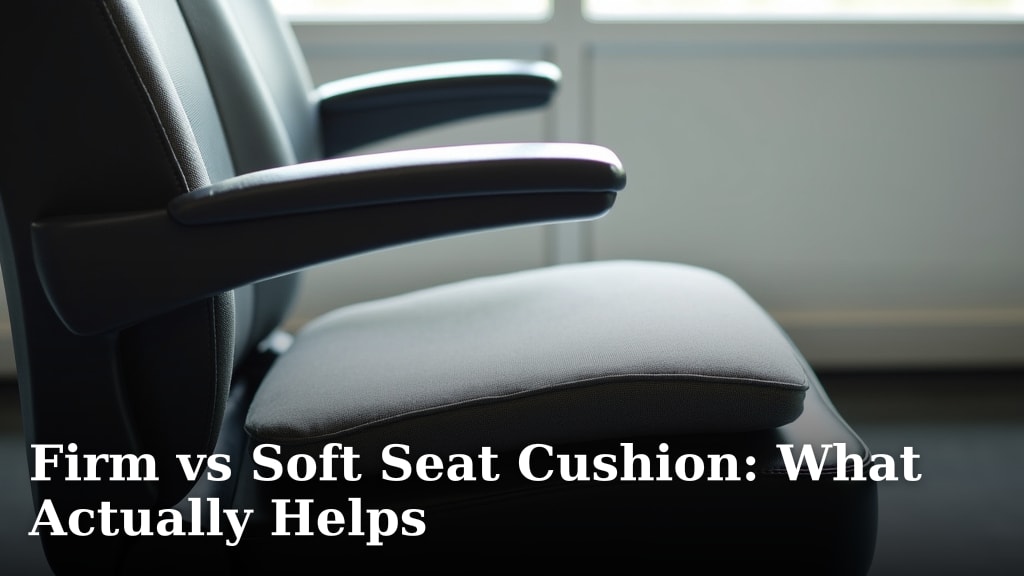
The truth is, both firm and soft seat cushions can help, but they offer different benefits for your comfort and posture. A firm cushion is generally better for supporting your back and hips, promoting good posture, while a soft cushion can provide more immediate pressure relief for tailbone pain or general softness.
Choosing the right cushion depends entirely on your specific needs and what you’re trying to achieve. We’ve researched this topic extensively to help you understand which type will truly make a difference for your seating comfort and overall well-being.
- Firm cushions offer better posture support.
- Soft cushions excel at pressure relief.
- The best choice depends on your personal comfort needs.
- Consider your primary seating concerns (pain, posture, general comfort).
Let’s break down the differences between firm and soft seat cushions and help you figure out which one is the best fit for you.
Firm vs. Soft Seat Cushions: What Really Helps Your Comfort
When you’re looking for relief from a sore backside or just want to make your long hours in a chair more bearable, the choice between a firm and soft seat cushion can feel like a big decision. We’ve dug into what makes each type tick, and it turns out, they both have their own superpowers.
The truth is, one isn’t always “better” than the other. What helps you the most depends on what you’re trying to achieve. Are you dealing with specific pain points, or are you looking to improve your posture? Let’s figure out which cushion might be your new best friend.
Understanding the Firm Cushion: Your Posture’s Best Friend
Think of a firm cushion like a well-built foundation for your house. It’s designed to provide solid support without giving too much way. This means it helps keep your body in a more natural alignment when you sit.
When a cushion is firm, it doesn’t sink in too much. This helps your body maintain a relatively straight line from your hips up to your shoulders. Many people find this helpful for reducing the strain on their lower back and improving their overall sitting posture. It’s like giving your spine a gentle reminder to stand up straight, even when you’re seated.
How Firm Cushions Help with Back and Hip Support
If you often find yourself slouching or feeling a dull ache in your back after sitting, a firm cushion might be a good place to start. Research suggests that proper seating support can help distribute your weight more evenly. This reduces pressure on specific areas, like your tailbone or hips.
A firm cushion keeps your sit bones properly aligned. It prevents your hips from sinking too low, which can cause your spine to curve unnaturally. This is especially important if you sit for extended periods, like during a workday or long drives. You’re less likely to develop those nagging aches and pains that come from poor seated posture.
Who Benefits Most from a Firm Cushion?
People who experience discomfort due to poor posture often find relief with firm cushions. If you have a condition like scoliosis or just a natural tendency to slouch, the added support can make a noticeable difference. It’s also helpful for individuals who feel like their current chair is too soft and allows them to sink too deeply.
Workers who spend all day at a desk are prime candidates. Anyone recovering from certain types of back injuries might also be advised by their doctor to use a firmer seating surface. It’s about creating a stable base for your body to rest on.
Exploring the Soft Cushion: Immediate Comfort and Pressure Relief
Now, let’s talk about the soft cushion. Imagine sinking into a plush armchair. That immediate feeling of comfort and cushioning is what a soft seat cushion aims to provide.
Soft cushions are all about immediate relief. They give way easily under pressure, molding to your body. This can feel incredibly soothing, especially if you’re dealing with immediate discomfort or pain. They act like a gentle hug for your backside.
Soft Cushions for Tailbone and Sit Bone Pain
If you suffer from tailbone pain (coccydynia) or general soreness in your sit bones, a soft cushion can be a lifesaver. These conditions often involve inflammation or bruising where direct pressure is felt most acutely. A soft cushion helps to absorb that impact.
By providing a thicker, yielding layer, soft cushions can significantly reduce the direct pressure on your tailbone and surrounding areas. This is why you often see donut-shaped or U-shaped cushions designed specifically for tailbone pain. They aim to take the weight off the sensitive spot entirely. Many users report feeling relief almost instantly after switching to a softer option for these specific issues.
When is Softness the Right Choice?
Soft cushions are fantastic for people who need immediate relief from sharp or persistent pain. They are also great for individuals who simply want a more luxurious and comfortable seating experience. If your primary goal is to feel less pressure and more ease while sitting, softness is likely your answer.
Consider someone who has just undergone a medical procedure affecting their backside. They would likely benefit greatly from the gentle cushioning. Even if you don’t have a specific medical condition, but your chair feels hard and unforgiving, a soft cushion can transform your seating experience into something much more pleasant.

Comparing Firm vs. Soft: A Direct Look
To make things clearer, let’s put firm and soft cushions side-by-side. It’s not about which one is universally superior, but which one matches your unique needs better.
| Feature | Firm Cushion | Soft Cushion |
|---|---|---|
| Primary Benefit | Posture Support, Spinal Alignment | Pressure Relief, Immediate Comfort |
| Best For | Back pain from poor posture, long sitting hours, spinal health | Tailbone pain, sit bone pain, post-surgery recovery, general plush comfort |
| Feel | Stable, supportive, requires some adjustment | Yielding, plush, immediate sink-in comfort |
| Potential Drawback | Can feel too hard for some, might not offer enough immediate pain relief | May not offer enough back or hip support, can flatten over time, may not be ideal for long-term posture correction |
What Does the Research Say About Support and Comfort?
Many studies on ergonomics and seating comfort point to the importance of proper support for spinal health. For instance, guidelines from organizations like the Occupational Safety and Health Administration (OSHA) often emphasize maintaining neutral spinal postures during prolonged sitting.
While specific research directly comparing the therapeutic benefits of firm versus soft cushions for various conditions is ongoing, the principles are clear. Firm support generally aligns with better biomechanical outcomes for posture. Softness is indicated for direct pressure reduction on sensitive areas. The American Physical Therapy Association highlights that personalized solutions are key for musculoskeletal comfort.
Making Your Choice: What’s Right for YOU?
So, how do you decide? It really comes down to listening to your body and understanding your main seating concerns. Are you trying to fix a problem, or are you just looking for a more pleasant place to sit?
Ask yourself: What bothers you most about your current seating situation? Is it a dull ache in your lower back after an hour? Or is it a sharp pain when you first sit down? Your answer will guide you.
A Quick Checklist for Finding Your Perfect Cushion
To help you narrow it down, consider these points:
- What is your main goal? Better posture or immediate pain relief?
- Do you have specific pain? Tailbone, hip, or general back pain?
- How long do you typically sit? Very long periods may favor support.
- What does your current chair feel like? Too hard, too soft, or just right?
- Have you consulted a healthcare professional? They can offer personalized advice.
Considering Other Factors Beyond Firmness and Softness
Don’t forget that material matters too! Memory foam, gel, latex, and even air-filled cushions all offer different feels and levels of support. Some materials might feel firm initially but soften with body heat, while others maintain their structure.
The shape of the cushion also plays a role. Some are designed with cutouts for tailbone relief, while others offer lumbar support extensions. Your intended use – office chair, car seat, or wheelchair – might also influence the best type of cushion for you.
Conclusion
So, what actually helps your comfort when choosing a seat cushion? It’s not a one-size-fits-all answer. We found that firm cushions shine when you need better posture support and spinal alignment, especially for long sitting hours. On the other hand, soft cushions are your go-to for immediate pressure relief, particularly for tailbone or sit bone pain.
Your best choice hinges on your personal needs. Consider what bothers you most about your current seating experience. Your next step? Reflect on your primary seating concerns and use our checklist to guide you toward the cushion that will bring you the most relief and comfort.
Frequently Asked Questions
Will a firm cushion make my back pain worse?
A firm cushion can help with back pain caused by poor posture by providing better spinal alignment. However, if your pain is from direct pressure on a sensitive area, a firm cushion might feel too hard. It’s important to consider the source of your back pain when choosing.
Can a soft cushion really help with posture?
Generally, soft cushions are designed for pressure relief rather than posture correction. While they offer immediate comfort, they may allow you to sink in too much, potentially leading to slouching. For posture support, a firmer cushion is usually recommended.
How long does it take to get used to a firm cushion?
It can take a few days to a week to adjust to a firm cushion. Your body needs time to adapt to the new level of support. If discomfort persists after this adjustment period, it might not be the right firmness for you.
Are there any downsides to using a soft cushion for tailbone pain?
While soft cushions offer excellent pressure relief, they might not provide enough stability for some individuals. If you find yourself constantly shifting or feel unsupported, a cushion with a cutout or a slightly firmer density might be a better option.
What if I have both posture issues and pain? Which should I prioritize?
If you experience both, consider which issue is more pressing or affects you daily. You might need to try different types or look for hybrid cushions that offer a balance of support and cushioning. Consulting a healthcare professional can also provide personalized guidance.