What Is a Tufted Chair? In Plain English
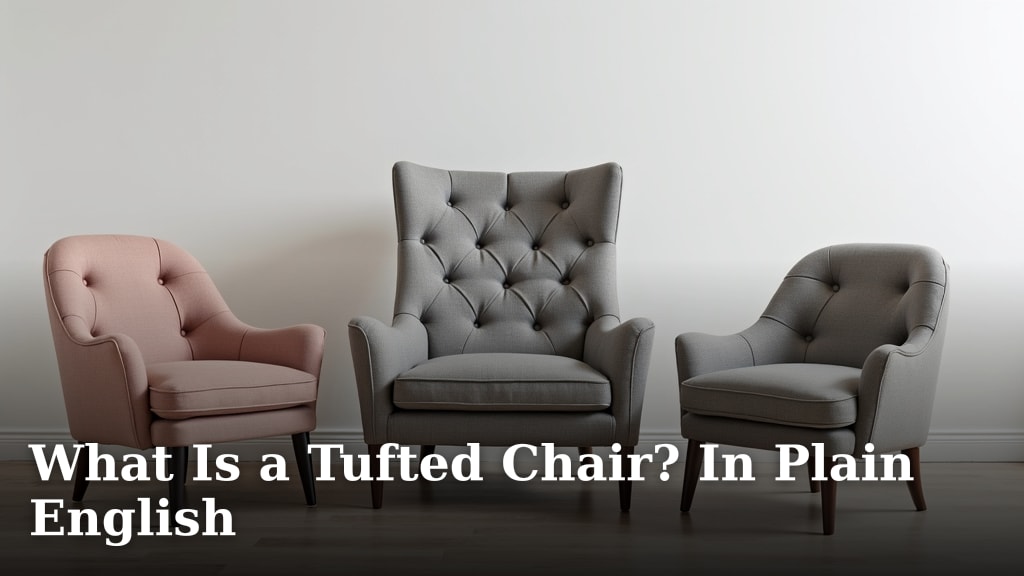
A tufted chair is a piece of furniture with fabric pulled and fastened in various patterns, usually with buttons or other decorative fasteners. This creates dimples and a plush look. You’ll often see tufting on sofas, headboards, and accent chairs.
Tufting isn’t just for looks; it also helps keep the upholstery from bunching up. This technique adds a touch of elegance and comfort to furniture. Many homeowners choose tufted pieces for a classic or luxurious feel in their living spaces.
- A tufted chair has buttons or fasteners that create a patterned, dimpled look.
- This technique adds both style and comfort.
- It prevents fabric from shifting and keeps upholstery smooth.
- Common on sofas, headboards, and accent chairs.
- Often associated with a classic or luxurious aesthetic.
Ready to learn more about these stylish seats? Below, we’ll break down exactly what makes a chair tufted and what to look for when shopping. If you’re looking for a comfortable spot to relax with a book, our guide to what is a reading chair can help.
Understanding What Makes a Chair Tufted
So, what exactly is a tufted chair? You’ve likely seen them around. They’re chairs where the fabric or leather is pulled and secured at specific points. This creates a cozy, dimpled look. Think of it like a diamond pattern sewn into the upholstery. This technique adds a touch of class and a softer feel. It’s more than just decoration; it plays a role in how the chair holds up over time. We’ll break down the how and why of tufting.
The Mechanics of Tufting: How It’s Done
Tufting is a clever upholstery technique. It involves passing a needle and thread through the fabric and padding. Then, the thread is fastened on the underside. This is often done with a button or a knot. The pulling action creates those signature indentations. These aren’t just random dips; they’re usually arranged in a geometric pattern. Common patterns include diamond shapes, squares, or even simple lines. This process requires skill to keep the tension just right. The goal is a smooth, even look with no puckering. It’s a bit like stitching a quilt, but on a much grander scale.
Types of Fasteners Used
The fasteners are what give tufting its distinct look. You’ll most often see buttons. These can be covered in the same fabric as the chair, or they might be a contrasting color or material. Sometimes, decorative metal or wood buttons are used. You might also find simple knots made with the upholstery thread. These knots are less visible but still serve the purpose of securing the fabric. Research shows that the type of fastener can greatly influence the chair’s overall style. A button-tufted chair often feels more traditional, while a knot-tufted one can appear more modern.
Why Do Furniture Makers Tuft Chairs?
There’s more to tufting than just looking pretty. It serves a practical purpose too. By pulling the fabric taut at these points, it prevents the upholstery from bunching up. Imagine wearing a sweater that’s constantly getting baggy – tufting helps prevent that for your chair. It keeps the fabric smooth and evenly distributed across the padding. This ensures the chair maintains its shape and comfort for longer. It’s a way to add durability and a high-quality finish to the furniture. Many furniture designers use tufting to enhance the longevity and aesthetics of their pieces.
Functionality: Keeping Fabric Smooth
The primary functional benefit is fabric management. Without tufting, the upholstery on a well-used chair can shift and sag. Over time, this leads to an uneven surface. This can make the chair less comfortable. It can also make it look worn out prematurely. Tufting anchors the fabric to the underlying padding. This creates a more stable and resilient surface. Think of it as a series of tiny anchors holding everything in place. This is especially important for chairs that see a lot of daily use.
Aesthetics: The Visual Appeal
Beyond function, tufting adds a distinct visual appeal. It gives furniture a rich, luxurious feel. The dimpled pattern adds depth and texture. It can make a chair look more substantial and inviting. Tufted designs are often associated with classic styles like Victorian or Art Deco. However, modern interpretations are also very popular. A tufted accent chair can be the focal point of a room. It can add a touch of sophistication without being overly ornate. Many people are drawn to the cozy, plush appearance it creates.
Exploring Different Styles of Tufted Chairs
Tufted chairs aren’t one-size-fits-all. The style of tufting, the shape of the chair, and the fabric all come together. They create a wide range of looks. You can find tufted chairs that fit almost any decor. From traditional living rooms to modern minimalist spaces, there’s a tufted option. Let’s look at some common styles you’ll encounter.
Button Tufting vs. Diamond Tufting
These are two of the most common types. Button tufting is exactly what it sounds like. Deep, closely spaced buttons create a visually striking effect. It often gives a very traditional or formal look. Diamond tufting uses the thread itself to create the pattern. The thread is pulled through the upholstery at intersecting points. This forms a series of small diamond shapes. Diamond tufting can sometimes appear a bit softer and less formal than heavy button tufting. Both add texture and depth.
Chesterfield Style Tufting
The Chesterfield is a classic example of deep button tufting. These sofas and chairs are known for their high backs and arms. The entire piece is typically upholstered in leather. All the buttons are deeply embedded, giving it a bold, traditional look. While often associated with formal spaces like libraries or studies, modern interpretations exist. You can find Chesterfield-style chairs in fabric and bolder colors. It’s a statement piece that exudes elegance and history.
Cathedral or Button-Tufted Backs
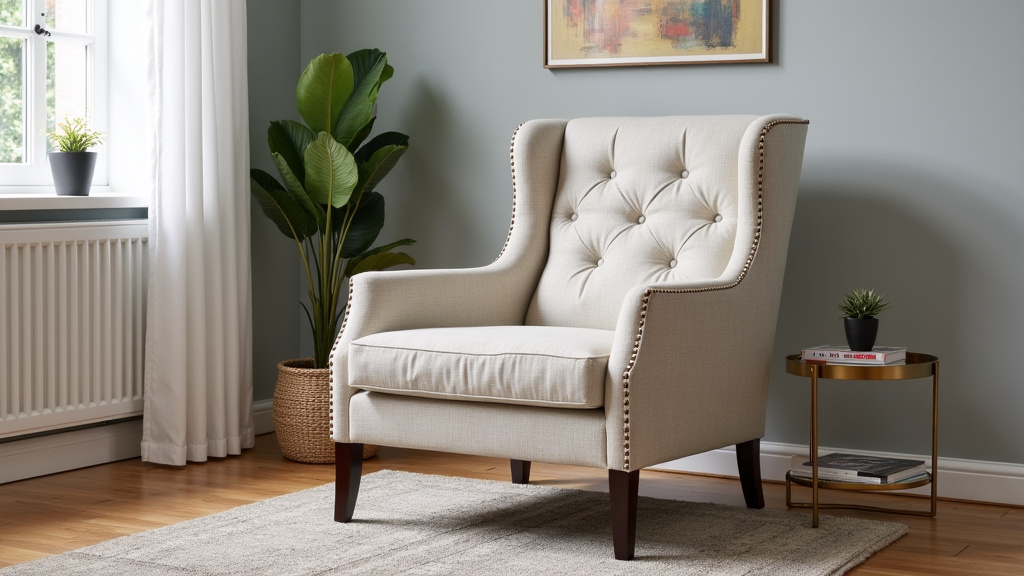
This style often features a tall backrest. The tufting is concentrated on this upright panel. It can be done in various patterns, but often uses deep buttons. It’s designed to draw the eye upward. This can make a room feel taller. Many dining chairs and occasional chairs feature this type of tufting. It adds a formal touch to seating meant for shorter periods. It’s a way to add subtle luxury to everyday furniture.
What to Look for When Buying a Tufted Chair
When you’re ready to buy a tufted chair, there are a few things to keep in mind. You want to make sure it’s well-made and will last. It’s not just about the style; it’s about the construction too. Think about how and where you’ll use the chair. This will help guide your choices. Here’s a handy checklist to help you shop smarter.
Quality of Upholstery and Stitching
First, examine the fabric or leather. Is it of good quality? Does it feel durable? Check the stitching. Are the seams even and strong? For tufted chairs, pay close attention to the points where the buttons or threads are. Are they pulled evenly? Are the buttons secure, or do they feel loose? Loose buttons can be a sign of poor craftsmanship. Many furniture experts recommend looking for chairs with reinforced stitching around the tufts.
Comfort and Support
Tufting can affect comfort. Deep tufting can sometimes mean less padding directly beneath the buttons. This might make sitting on a buttoned spot less comfortable. Try to sit in the chair if you can. Does it feel supportive? Is the padding adequate? The firmness of the cushions is also important. A chair that’s too soft might not offer enough support. Too firm, and it might feel stiff. Research from ergonomics specialists suggests that a balance is key for long-term comfort.
The Chair’s Frame and Construction
A beautiful exterior is no good if the inside isn’t sturdy. Make sure the chair has a solid frame. Hardwood frames are generally the most durable. Check how the chair is assembled. Are the joints glued and screwed? Avoid chairs with particleboard or flimsy materials. A well-built frame is essential for the longevity of any piece of furniture. It ensures the chair can withstand regular use without issues.
A Quick Checklist for Your Tufted Chair Purchase
- Check the fabric quality and feel.
- Inspect all seams and stitching for strength.
- Ensure tufted buttons are securely attached.
- Test the chair for overall comfort and support.
- Verify the frame feels sturdy and well-constructed.
- Consider the chair’s size and how it fits your space.
Conclusion
You now understand what makes a chair tufted. It’s a technique that adds both style and function. By pulling fabric with fasteners, furniture gets a plush, dimpled look. This also helps keep upholstery smooth and prevents sagging. When shopping, focus on the quality of the upholstery and the frame construction. Don’t forget to test for comfort and support. Ready to find your perfect tufted chair? Look for pieces that feel well-made and match your personal style.
Frequently Asked Questions
Is tufting only done on fabric chairs?
No, tufting can also be done on chairs upholstered in leather. Leather tufting often creates a very classic and luxurious look, especially in styles like the Chesterfield. The technique of pulling and fastening the material remains the same.
Can tufting make a chair less comfortable?
Sometimes, deep tufting with very firm buttons can make a specific spot feel less padded. However, good design balances this by ensuring adequate overall cushioning. Most well-made tufted chairs offer excellent comfort and support.
How do I clean a tufted chair?
Cleaning depends on the fabric. Always check the manufacturer’s care instructions first. Generally, gentle vacuuming with an upholstery attachment works for most materials. For spot cleaning, use a mild soap and water solution on a clean cloth, dabbing rather than rubbing.
Are tufted chairs more expensive than non-tufted ones?
Tufted chairs can sometimes be more expensive. This is because the tufting process requires more labor and skill from the upholsterer. The added detail and craftsmanship contribute to the final cost.
What is the difference between diamond tufting and button tufting?
Button tufting uses actual buttons, often covered in the same fabric, to create indentations. Diamond tufting uses thread pulled through the upholstery at intersecting points to create a diamond pattern without visible buttons. Both add texture and visual interest.