What Is a Wingback Chair? A Simple Guide

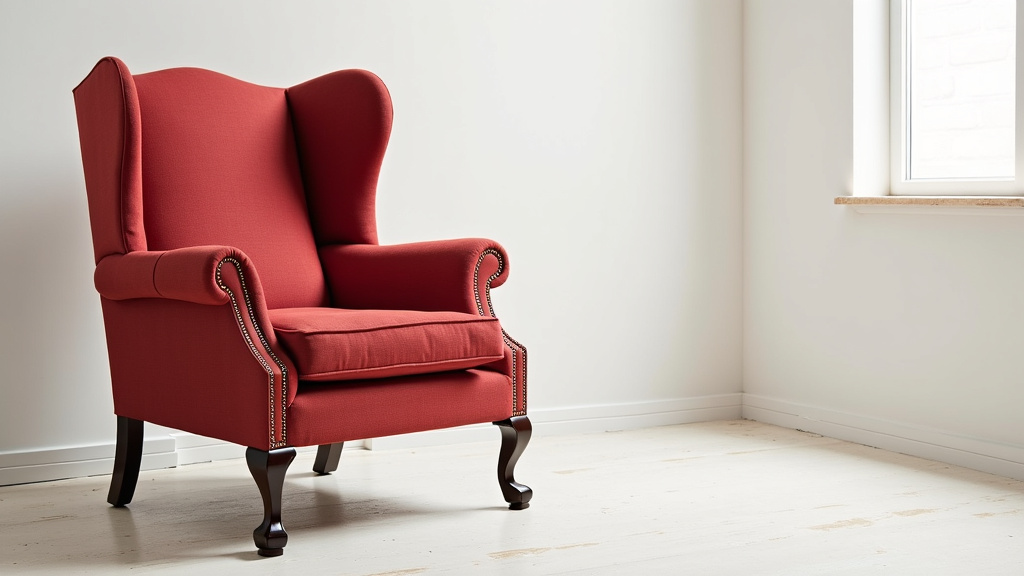
A wingback chair is a type of armchair with a tall back and side panels, called “wings,” that extend from the top. It is designed to provide support for your head and sides. The wings help block drafts and create a cozy, enclosed feeling when you sit.
Originally, these chairs were used in large rooms to shield people from cold drafts. Today, they are a classic style found in living rooms and reading nooks. We found that many people choose them for their timeless look and comforting design. The wingback chair often features a high, tall back and sturdy wooden legs.
- A wingback chair has a tall back with protective side panels.
- It was originally made to protect against drafts.
- Common materials include wood frames and upholstered fabric.
- They add a classic, cozy feel to a room.
- Good for reading or relaxing by a fireplace.
Below, we’ll walk you through the key features and history of the wingback chair. You’ll learn how to choose one that fits your space and style.
The Anatomy of a Classic Wingback Chair
A wingback chair is an armchair with a high back and side “wings” that flank your head and shoulders. We found that these chairs are built for both comfort and style. The tall back supports your spine, while the wings offer a sense of privacy and enclosure. They are perfect for curling up with a book or resting by the fire.
Think of it as a throne for your living room, but much more welcoming. The design is all about creating a cozy nook. You sit inside the chair, and it surrounds you. This structure makes it different from a standard sofa or low-back armchair.
Origins in the English Country House
The wingback chair was born in 17th-century England. Back then, homes were large and drafty. People placed these chairs near fireplaces or in chilly corners. The high back and wings acted as a shield, blocking cold drafts from reaching you. They were a clever solution for staying warm.
We saw that this practical origin explains the chair’s signature shape. It wasn’t just about looking fancy. It was about survival and comfort in a poorly heated world. That blend of function and form is why the design has lasted for centuries.
How the Wings Work
The wings are the defining feature. They serve a few key purposes today. First, they provide a place to rest your head if you lean to the side. Second, they create a cozy, intimate space. You feel tucked in and protected. In a busy household, this can feel like your own little sanctuary.
Some people even joke that the wings help block the light from the TV if you’re trying to nap. While that might not be their main job, it shows how the design naturally creates a shield around you.
Key Features to Look For
When you shop for a wingback chair, you’ll notice several consistent features. Knowing these will help you choose a quality piece. You want a chair that looks great and lasts a long time.
The High, Tall Back
This is non-negotiable. The back should rise well above your shoulders, ideally supporting your head. Sit in the chair to test this. Your ears should be below the top of the backrest. This height is what provides the comforting, enveloping feeling.
A low back defeats the purpose. It won’t give you that feeling of being surrounded. It also won’t offer the same level of support for reading or relaxing.
Sturdy Wooden Legs
Traditional wingback chairs sit on four exposed wooden legs. We found that solid wood, like oak or birch, is a sign of good construction. The legs are often turned or carved, adding a decorative touch. They elevate the chair, giving it a lighter look than a fully upholstered piece.
Check the joints where the legs meet the frame. They should feel solid, not wobbly. Some modern versions have a swivel base or a metal frame, but the classic design relies on wood.
Upholstery and Comfort
The fabric or leather covering makes a huge difference in both look and feel. It also affects durability. You need to consider your lifestyle when choosing. Do you have kids or pets? Do you eat in your living room? These questions matter.
We researched common upholstery materials and their pros and cons. The right choice depends on your priorities.
| Upholstery Type | Best For | What to Consider |
|---|---|---|
| Performance Fabric | Homes with kids, pets, or frequent use. | Resists stains and fading. Very durable and easy to clean. |
| Natural Linen | Formal rooms or adult spaces. | Looks elegant and feels cool. Prone to wrinkles and stains. |
| Velvet | Adding a luxe, soft texture. | Feels incredibly plush. Can show marks from pet hair or pressure. |
| Leather | A timeless, classic look. | Develops a nice patina over time. Requires conditioning and care. |
Choosing the Right Wingback Chair for Your Space
Size matters. A wingback chair is a substantial piece of furniture. You need to measure your space carefully before you buy. Nothing is worse than a beautiful chair that simply doesn’t fit through your door or dominates a small room.
Measuring Your Room
Start with the floor space. Use painter’s tape to mark out the chair’s footprint on your floor. This helps you see how it will impact flow and traffic. Can you still walk comfortably around it? Does it block a pathway or a window?
Also, measure doorways, hallways, and any tight corners between your front door and the living room. This ensures your new chair can actually make it into its new home. We always recommend giving yourself a few extra inches of clearance.
Scale and Proportion
A giant wingback chair can overwhelm a tiny apartment. Conversely, a small one might look lost in a grand, high-ceilinged room. The goal is harmony. The chair should feel like a natural part of your room’s landscape.
If you have low ceilings or a small space, look for a chair with slightly slimmer arms and a more compact silhouette. In a large room, you can go for a grander, more imposing piece with wide, rolled arms.
A Quick Rule of Thumb
A standard wingback chair is about 30 to 35 inches wide. It sits 40 to 45 inches tall. Depth is usually around 30 to 35 inches. Use these numbers as a starting point for your measurements.
Styling Your Wingback Chair
This chair is incredibly versatile. It can fit into many different design styles. It’s not just for traditional homes anymore. A wingback chair can be the star of a modern room or a supporting player in a classic setting.
Traditional and Classic Settings
This is the chair’s natural habitat. Place it near a fireplace or in a library corner. Pair it with a small side table and a floor lamp for the perfect reading spot. Add a knit throw blanket over one arm for extra coziness. This creates an instantly inviting scene.
In these settings, classic fabrics like leather, plaid, or damask work beautifully. The wooden legs add to the traditional, warm feel. You’re creating a space that feels timeless and settled.
Modern and Eclectic Homes
To keep a wingback chair from feeling stuffy, use modern upholstery. Think bold solid colors, geometric patterns, or a funky velvet. This instantly updates the piece. The classic shape against a modern fabric creates a cool contrast.
We found that many designers use a single statement wingback chair to add personality to a minimalist room. It provides a soft, human element in a space that might otherwise feel too stark. It becomes a focal point.
Placement Ideas That Work
- At the foot of your bed as a luxurious bench alternative.
- In a bedroom corner as a private reading nook.
- In a home office, facing the desk for a professional guest chair.
- Flanking a sofa in a living room to create a conversation area.
A Checklist Before You Buy
We put together a quick list to help you make a confident decision. Run through these points before clicking “add to cart.” This ensures your chair is a perfect match.
- Fit: Have you measured your space, doorways, and hallways?
- Function: Is this chair for daily use or occasional sitting?
- Frame: Is the frame solid wood? Does it feel sturdy when you sit in it?
- Fabric: Does the upholstery match your lifestyle and cleaning habits?
- Height: Does the back support your head and shoulders comfortably?
- Style: Does the chair’s design harmonize with your other furniture?
Caring for Your Chair
A good wingback chair is an investment. With proper care, it can last for decades, even generations. Daily care is simple but important. For fabric chairs, vacuum the upholstery regularly with a brush attachment. This removes dust and prevents it from settling into the fibers.
For spills, blot immediately with a clean, dry cloth. Don’t rub, as that can spread the stain. Check the manufacturer’s code on the fabric. A “W” means you can use water-based cleaners. An “S” means use solvent-based cleaners only. A “WS” means either is fine.
Long-Term Maintenance
Every few years, you might want to have the chair professionally cleaned. This deep cleans the fabric and padding. For leather chairs, condition the leather annually to prevent cracking. Keeping it out of direct sunlight will also prevent fading.
Turning or rotating the seat cushion, if it’s reversible, will help it wear evenly. These small steps keep your chair looking its best. You’ve chosen a classic piece; a little attention keeps it timeless.
Conclusion
A wingback chair is more than just a seat. It’s a piece of furniture with a clear purpose, born from a practical need for warmth and comfort. We’ve covered its defining features, from the protective wings to the sturdy frame. You now know how to measure for the right fit and choose upholstery that suits your life. This classic design brings a unique blend of privacy, support, and timeless style to any room. Your next step is simple: use the checklist to measure your space and imagine the perfect spot for your new chair. A little planning ensures you’ll find a wingback that feels like it was made for you.
Frequently Asked Questions
How do I clean a wingback chair with fabric upholstery?
Start by vacuuming the upholstery regularly with a brush attachment to remove dust. For spills, blot immediately with a clean, dry cloth—never rub. Always check the manufacturer’s cleaning code on the fabric tag. “W” indicates water-based cleaners are safe, “S” means solvent-only cleaners, and “WS” allows either.
Can a wingback chair work in a small room or apartment?
Absolutely, but scale is key. Look for a chair with a more compact silhouette, perhaps with slimmer arms and a lower profile. Measure your floor space and doorways carefully before buying. A strategically placed wingback can create a cozy reading nook without overwhelming the room.
What’s the best fabric for a wingback chair if I have pets or kids?
We recommend a performance fabric. It is designed to resist stains, fading, and wear, making it ideal for high-traffic homes. Leather is another durable option that develops character over time. Avoid delicate fabrics like untreated linen or velvet if easy cleaning is a top priority.
How much space do I need to leave around a wingback chair?
For a comfortable flow, aim for about 18 to 24 inches of clearance on each side. This allows you to walk around it easily and prevents it from feeling cramped. The space behind it depends on your layout, but ensure it doesn’t block pathways or doors.
Is a wingback chair only for traditional-style homes?
No, not at all. While it fits perfectly in a classic setting, the chair’s versatile shape adapts well to modern spaces. Choose a bold, solid-colored velvet or a sleek leather upholstery. This creates a striking contrast and makes the chair a contemporary focal point.