What Is a Tub Chair? What It Is and Where to Use It
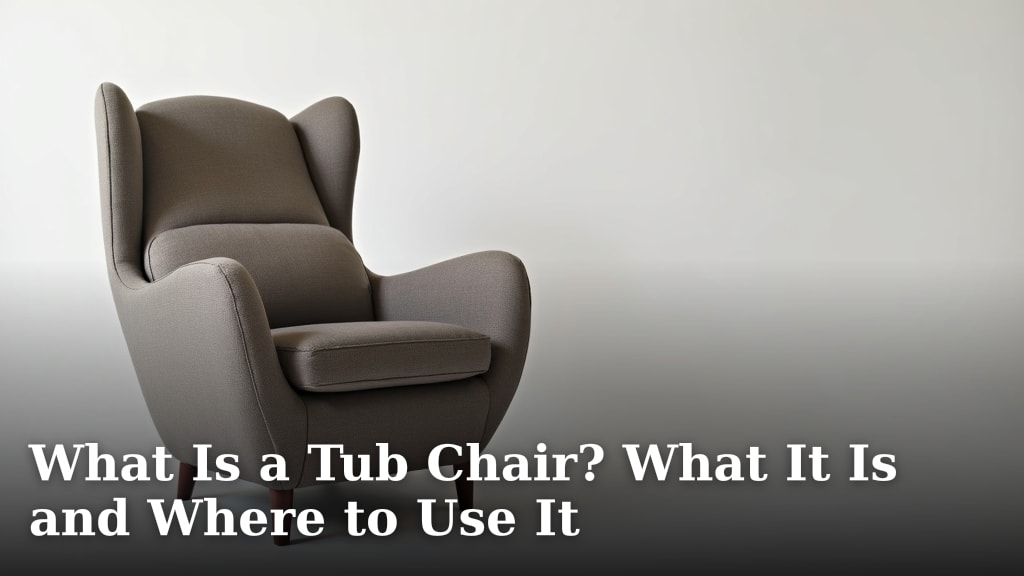
A tub chair is a type of armchair with a deep, rounded seat and a high, enveloping back. Think of it as a cozy cocoon for your living room. They offer a comfortable and stylish way to relax. Many people find them incredibly inviting. These chairs are designed for comfort and often have a plush feel.
You’ll often find tub chairs upholstered in soft fabrics like velvet or chenille. Their unique shape makes them a popular choice for adding a touch of elegance and comfort to various spaces. They can serve as a standalone accent piece or part of a larger seating arrangement. Many homeowners select them for their aesthetic appeal and snug design.
- A tub chair has a deep, rounded seat.
- It also features a high, enveloping back.
- These chairs are designed for ultimate comfort.
- They add a stylish touch to any room.
- Commonly upholstered in soft, plush fabrics.
Below, we’ll dive into what makes a tub chair so special and where you can best use one in your home.
Understanding the Appeal of the Tub Chair
So, what exactly is a tub chair, and why are they becoming so popular? A tub chair is a type of armchair distinguished by its deep, rounded seat and a high, enveloping back. Imagine it as a cozy, stylish nook designed for relaxation. Its signature shape gives it a distinct look.
The sides of a tub chair typically curve upwards, creating a sense of enclosure. This design isn’t just for looks; it contributes to the chair’s comfort. Many people find this rounded, enclosed feeling incredibly inviting and snug. It’s like a personal little haven within your room.
The Signature Shape: What Makes It a “Tub”?
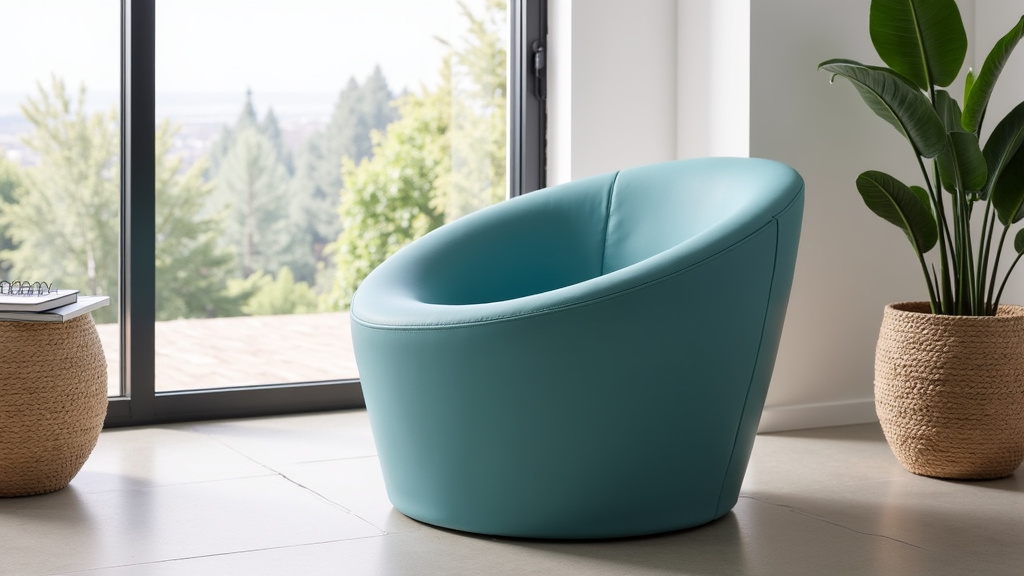
The name “tub chair” comes directly from its shape, which resembles an old-fashioned bathtub. You’ll notice a distinct, curved silhouette. The arms are usually low and rounded, blending smoothly into the backrest. This creates a continuous, flowing form.
This flowing design is what makes the tub chair so appealing. It offers a soft, inviting profile that contrasts with sharper, more angular furniture. The deep seat invites you to curl up and relax. The high back provides excellent support for your head and neck.
Materials and Comfort: Beyond the Shape
Beyond its iconic shape, the materials used in tub chairs contribute greatly to their comfort. You’ll often find them upholstered in plush fabrics. Think soft velvets, cozy chenilles, or durable yet soft leathers.
These textures add another layer of appeal. Velvet, for instance, offers a luxurious feel and a beautiful sheen. Chenille provides a wonderfully soft, slightly fuzzy texture that’s perfect for snuggling. The upholstery is usually padded generously, making the chair exceptionally comfortable.
Where Can You Best Use a Tub Chair in Your Home?
Tub chairs are incredibly versatile. Their stylish design and comfortable build mean they can fit into many different spaces. You might be surprised at how many rooms can benefit from one.
Living Room Charm: A Cozy Nook or Accent Piece
In the living room, a tub chair can serve multiple purposes. It can be a fantastic accent chair, adding a pop of color or a different texture. Place one in a corner to create a reading nook. Add a small side table and a lamp, and you have your own private retreat. Place one in a corner to create a reading nook.
They also work well as part of a larger seating arrangement. You could flank a sofa with two matching tub chairs. Or, mix and match with other seating styles for an eclectic look. Their rounded shape can soften the lines of a room filled with more rectangular furniture.
Bedroom Bliss: A Stylish Addition to Your Personal Space
Your bedroom is your sanctuary, and a tub chair can enhance that feeling. Imagine placing one at the foot of your bed. It provides a convenient spot to sit while dressing or putting on shoes. It can also be a lovely place to relax with a book or your morning coffee.
A tub chair in the bedroom adds a touch of elegance and comfort. It can make your room feel more luxurious and inviting. Choose a fabric that complements your existing decor for a cohesive look. A darker, richer color can add drama, while a lighter shade can feel more serene.
Entryway Elegance: A Welcoming First Impression
The entryway is the first space guests see when they enter your home. A tub chair here can make a grand, welcoming statement. It offers a comfortable place for someone to sit while taking off or putting on shoes.
This is especially useful if you have children or elderly family members. A stylish tub chair can instantly elevate your entryway’s appearance. It shows you’ve put thought into creating a comfortable and attractive space. Consider a durable fabric that can withstand higher traffic.
Home Office Comfort: A Break from the Desk
Working from home often means spending long hours at a desk. Adding a tub chair to your home office can provide a welcome change of scenery. Use it as a secondary seating option for reading documents or taking short breaks.
It’s a great way to step away from your desk without leaving the room. You can still be productive while enjoying a more relaxed posture. Choose a supportive and comfortable model. This can help you stay focused and refreshed throughout your workday.
Nursery Nooks: Comfort for Parents and Little Ones
For new parents, comfort is key. A tub chair in the nursery can be a wonderful addition. It provides a cozy spot for feeding, rocking, or simply holding your baby. The enveloping shape can make you feel more secure and connected.
Many parents find that the comfort of a tub chair makes nighttime feedings much more manageable. They offer a supportive embrace for both parent and child. Look for chairs with easy-to-clean fabrics, as spills are common in nurseries.
Key Features to Look For in a Tub Chair
When you’re shopping for a tub chair, a few key features can help you find the perfect one. It’s not just about the look; functionality and comfort are essential.
Seat Depth and Height
The seat depth is crucial for comfort. A deeper seat allows you to sink in and relax. It’s perfect for curling up with a blanket. Measure your leg length to ensure it’s comfortable for you. The seat height should also be appropriate. You want to be able to rest your feet comfortably on the floor.
Backrest Support
The high, enveloping backrest is a defining feature of tub chairs. Ensure it provides adequate support for your back and head. Some backrests are more contoured than others. Consider how you plan to use the chair. Will you be reading for long periods, or just perching for a moment?
Armrest Design
Tub chair armrests are typically low and rounded. They offer a place to rest your arms without being intrusive. Check that the height and width of the armrests are comfortable for you. They should complement the overall design and feel of the chair.
Upholstery Options
The fabric choice significantly impacts the chair’s look and feel. Common options include velvet, chenille, linen, and leather. Consider the room where the chair will be placed. A high-traffic area might benefit from a more durable fabric like a performance linen or treated leather. A bedroom or reading nook could be perfect for a soft, luxurious velvet.
| Material | Pros | Cons |
|---|---|---|
| Velvet | Luxurious feel, rich color options, soft texture. | Can show wear over time, may require special cleaning. |
| Chenille | Very soft, cozy feel, durable for everyday use. | Can snag, may pill with heavy friction. |
| Linen | Breathable, natural look, durable. | Prone to wrinkling, can stain easily. |
| Leather | Durable, easy to clean, develops a patina over time. | Can be cold in winter, expensive, may scratch. |
Choosing the Right Tub Chair for Your Space: A Quick Checklist
Ready to find your perfect tub chair? Keep these points in mind as you shop:
- Measure your space first.
- Consider the chair’s primary use.
- Think about the fabric durability.
- Check the seat depth and height.
- Ensure the backrest offers good support.
- Match the style to your room’s decor.
Conclusion
You now understand that a tub chair is more than just a piece of furniture. It’s a comfortable, stylish addition that can enhance many areas of your home. Its signature deep, rounded seat and enveloping back create a cozy retreat. Whether you’re looking for a reading nook in the living room, a chic accent in your bedroom, or a practical spot in your entryway, a tub chair delivers. By considering factors like seat depth, backrest support, and upholstery, you can find the perfect tub chair to suit your needs and style. Take the next step and start browsing to find the one that calls to you.
Frequently Asked Questions
Are tub chairs comfortable for long periods?
Yes, tub chairs are generally very comfortable for extended sitting. Their deep seats and high backs are designed to be supportive and inviting. Many find them perfect for reading or relaxing for hours.
Can a tub chair fit in a small apartment?
Absolutely. While some tub chairs can be generous, many are designed in compact sizes perfect for smaller spaces. Their stylish appearance can make a small room feel more inviting and complete.
How do I clean a velvet tub chair?
Cleaning a velvet tub chair often requires gentle methods. You should typically use a soft brush or a vacuum cleaner with an upholstery attachment. For stains, it’s best to consult the manufacturer’s cleaning instructions or use a specialized velvet cleaner.
Are tub chairs considered modern or traditional furniture?
Tub chairs can fit into both modern and traditional decor styles. Their classic rounded shape offers a timeless appeal. You can find them upholstered in contemporary fabrics or classic materials to match your existing design.
What is the main difference between a tub chair and an armchair?
The primary difference lies in the shape. A tub chair is specifically known for its deep, rounded seat and high, enveloping back that curves around the sitter. A standard armchair can have a more varied shape, often with straighter lines and a less enclosing design.