What Is a Ladder Back Chair? A Simple Guide

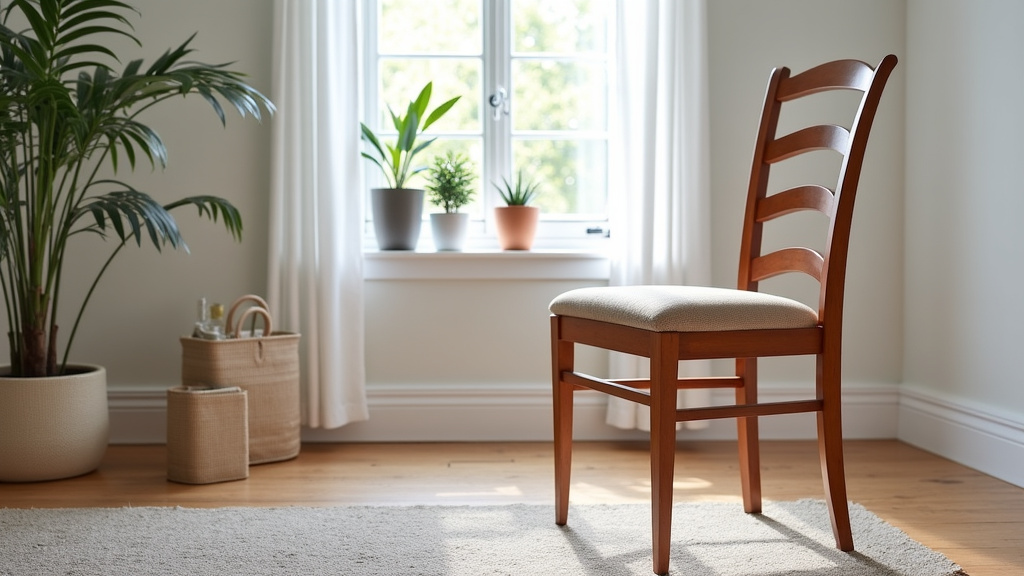
A ladder back chair is a type of dining or accent chair distinguished by its backrest design, which features several parallel, horizontal slats resembling a ladder. These slats are typically evenly spaced, creating a simple yet elegant look. You’ll find them in various materials, from solid wood to painted finishes, making them a versatile choice for many homes.
When you’re looking for seating that’s both functional and stylish, the ladder back chair often comes up. Its design is a classic for a reason, offering sturdy support without feeling bulky. Many designers and homeowners appreciate its clean lines and how it can blend with different decor styles, from traditional to modern farmhouse. It’s a piece that often feels both familiar and fresh.
- Ladder back chairs have a backrest with horizontal slats.
- They are popular for dining rooms and as accent chairs.
- Common materials include wood, often with painted or natural finishes.
- Their design is considered classic and versatile for various decors.
Now that you know the basics, let’s dive a little deeper into what makes a ladder back chair such a popular pick and what you should consider when choosing one for your home.
Understanding the Ladder Back Chair Design
You’re probably wondering what exactly sets a ladder back chair apart from other chair styles. The defining feature is its backrest. It’s designed with a series of horizontal slats, stacked one above another. These slats are spaced out, much like the rungs of a ladder. This distinctive look gives the chair its name and its classic appeal. You’ll often see these chairs used as dining chairs, but they also make wonderful accent pieces.
The simplicity of the ladder back design is one of its biggest strengths. It avoids ornate carvings or complex upholstery. Instead, it relies on clean lines and the natural beauty of its materials. This makes it incredibly versatile. It can fit into many different room styles. Think of it as a blank canvas that can complement your existing decor rather than demanding all the attention. We found that this understated elegance is a key reason for its lasting popularity.
The Anatomy of a Ladder Back Chair
Let’s break down the parts you’ll typically find on a ladder back chair. The most obvious is the slatted backrest. These slats can vary in thickness and the spacing between them. Sometimes they are straight, other times they might have a slight curve for comfort. The number of slats also changes from one design to another; three to five is pretty common.
Below the seat, you have the frame and legs. These provide the structure and stability for the chair. The legs can be straight and simple, or they might have a slight taper. The way the legs connect to the seat and the backrest frame is important for overall sturdiness. A well-built ladder back chair feels solid and dependable. We looked at many examples, and the craftsmanship in these areas really makes a difference in how the chair feels.
Then there’s the seat itself. This is where comfort really comes into play. Ladder back chairs can have a variety of seat types. Some have a solid wood seat, matching the rest of the chair’s material. Others might feature a padded seat for extra cushioning. You might also find seats made from woven materials like rattan or cane, adding another layer of texture and visual interest. Choosing the right seat type can impact both the look and the feel of the chair.
Why Choose a Ladder Back Chair for Your Home?
There are several good reasons why this style of chair continues to be a favorite. One major draw is its adaptability. Whether your home leans towards traditional charm or modern minimalism, a ladder back chair can often find a place. Its straightforward design doesn’t fight with other elements in the room. It just… fits. We’ve seen them work beautifully in rustic farmhouses, classic colonial dining rooms, and even in more contemporary spaces when paired with the right table.
Another key advantage is the durability often associated with them. Many ladder back chairs are constructed from solid wood, which is known for its strength and longevity. When properly made, these chairs can withstand daily use. This makes them an excellent choice for busy households, especially around a dining table where they get a lot of action. The simple construction also means there are fewer complex parts to break.
Visual lightness is also a characteristic that many people appreciate. Unlike chairs with solid, bulky backs, the open, slatted design of a ladder back chair can make a space feel more open and airy. This is particularly helpful in smaller dining rooms or kitchens where you want to avoid a feeling of being crowded. The eye can see through the slats, creating a sense of spaciousness. This effect is subtle but contributes to a more comfortable environment.
Materials and Finishes to Consider
When you’re looking at ladder back chairs, the materials and finishes play a big role in their appearance and how they fit into your home. Solid wood is a very popular choice. Common woods include oak, maple, cherry, and pine. Each has its own grain pattern and color. Oak is known for its strength and prominent grain. Pine is often softer and may show nicks more easily, but it’s also lighter and can be more affordable.
Beyond natural wood, you’ll find many ladder back chairs with painted finishes. White, black, and gray are common, offering a clean, crisp look. These painted chairs are fantastic for achieving a farmhouse or cottage aesthetic. They can also provide a pop of color if you opt for a bolder hue. The paint can help mask imperfections in the wood or give a uniform, modern appearance. Many sources suggest painted furniture can be a great way to update a room’s style (Good Housekeeping).
Some ladder back chairs might feature a combination of materials. For instance, you might see a wooden frame with a woven cane or rush seat. This adds texture and visual interest. Upholstered seats are also an option, though less common for the purest ladder back style. If you choose an upholstered seat, think about the fabric durability and ease of cleaning, especially for a dining chair. We’ve found that fabric choices like performance velvet or tightly woven polyester blends tend to hold up well to spills.
Where to Use Ladder Back Chairs
You’ve likely seen them around, but let’s pinpoint exactly where these chairs shine. The dining room is the most traditional spot. They pair wonderfully with various dining table styles, from sturdy wood tables to metal-legged modern designs. Their balanced look doesn’t overpower the table. You can use them all around the table for a cohesive look, or mix and match with other chair styles for a more eclectic arrangement.
Ladder back chairs also make excellent accent chairs. Place one in a corner of your living room with a small side table and a reading lamp. They can add seating without looking too formal. In a bedroom, a ladder back chair at a vanity or desk provides a functional and stylish perch. They can also be a practical addition to a mudroom or entryway for a place to sit while putting on shoes. Their vertical lines can even make a smaller space feel taller. Ladder back chairs also make excellent accent chairs, perfect for a reading nook.
Consider them for your kitchen too. Whether at a breakfast bar or a small kitchen table, their clean lines work well in a more casual setting. If you’re going for a farmhouse kitchen vibe, a set of painted ladder back chairs is almost a must-have. They offer a comfortable place to gather for meals or just to chat while you’re cooking.
What to Look for When Buying
Before you bring a ladder back chair home, there are a few things to check. First, construction quality is key. Look for chairs that feel sturdy. Wiggle them a bit. Do they feel solid, or do they wobble? Check the joints – are they well-fitted and secured? For wood chairs, ensure the grain is pleasing and there are no large knots that might weaken the structure. Many furniture makers prioritize strong joinery, like mortise and tenon, for durability.
Comfort is another important factor, especially if you plan to use them for long meals. Sit in the chair for a minute. Does the backrest feel supportive? Is the seat comfortable for your body type? If the seat is wood, consider if it has a slight contour for better ergonomics. If you find a chair you love but the seat isn’t quite comfortable, remember that adding a cushion is always an option. We’ve found that chairs with a slight curve in the back slats offer noticeably more support.
Think about the size and scale of the chair. Will it fit well with your table? You want enough clearance between the seat and the tabletop. Also, consider the chair’s height and width relative to the room. A chair that’s too large can make a small room feel cramped. Conversely, a chair that’s too small might look lost in a large space. Measure your space and your table before you shop. A good rule of thumb is to have about 24-30 inches of space between the edge of the table and the chair back when pushed in (The Spruce).
Finally, consider the finish. If you’re buying a set, ensure the finish is consistent. If you’re buying individual chairs or mixing styles, think about how the finish will complement your existing furniture. Natural wood finishes will show grain and variations. Painted finishes should be smooth and even. Check for any signs of chipping or poor application. The finish not only affects the look but also protects the wood.
A Quick Checklist for Your Ladder Back Chair Purchase
- Check the overall sturdiness and construction.
- Sit in it to test for comfort and back support.
- Consider the seat material and its ease of cleaning.
- Ensure the size and scale fit your table and room.
- Examine the finish for consistency and quality.
- Think about how it will match your existing decor.
Conclusion
You’ve learned that a ladder back chair is a versatile and enduring choice for your home. Its simple, slatted design offers both durability and visual lightness, making it a perfect fit for dining rooms, accent pieces, or kitchens. By considering construction quality, comfort, and the right finish, you can find a ladder back chair that truly enhances your space. Now, take a moment to measure your dining table or that empty corner. You’re ready to find the perfect ladder back chair to complete your room’s look and feel.
Frequently Asked Questions
Are ladder back chairs comfortable for long periods?
Comfort can vary based on the specific design. Many ladder back chairs offer a supportive backrest, especially those with a slight curve. If you plan on sitting for extended periods, consider models with a padded or contoured wooden seat, or be prepared to add a cushion for extra comfort. We’ve found that a well-designed backrest makes a noticeable difference.
Can ladder back chairs be used in modern homes?
Absolutely. While ladder back chairs have a classic appeal, their clean lines and simple form make them surprisingly adaptable to modern decor. Pairing them with a sleek metal dining table or using them as a subtle accent piece in a minimalist room can create a contemporary look. The key is often the finish and the surrounding furniture.
How do I clean and maintain a ladder back chair?
Maintenance depends on the material. For solid wood chairs, a simple dusting with a soft cloth is usually sufficient. For painted finishes, use a damp cloth and mild soap if needed, then dry thoroughly. If your chair has an upholstered seat, follow the fabric manufacturer’s cleaning guidelines. We recommend checking the manufacturer’s care instructions before cleaning.
What’s the difference between a ladder back chair and a Windsor chair?
While both are classic chair styles often made of wood, the main difference is their back design. A ladder back chair has horizontal slats stacked like a ladder. A Windsor chair typically features a spindle-turned backrest and a solid, scooped seat. Both are sturdy and popular, but their visual aesthetics are quite distinct.
Are ladder back chairs a good choice for a busy kitchen table?
Yes, they can be an excellent choice for a kitchen table, especially if they are made from durable solid wood. Their simple construction means there are fewer parts to break, and they tend to be quite sturdy for daily use. Painted finishes can also hide minor scuffs better than some natural wood tones, making them practical for a high-traffic area.