What Is a Cane Back Chair? Know the Details
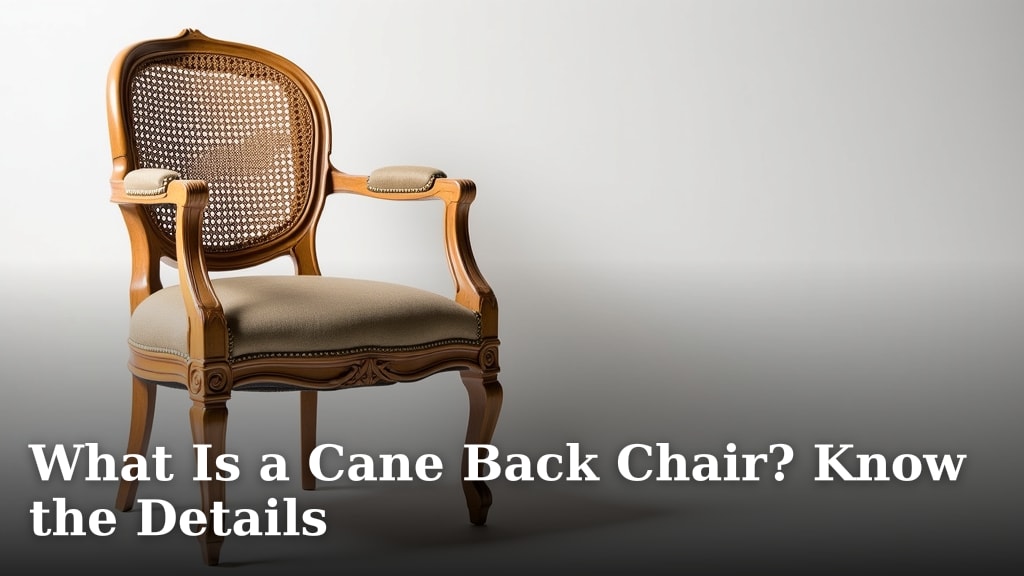
A cane back chair is a type of seating with a backrest woven from natural cane fibers. This distinctive weaving technique creates an open, breathable design. It’s a classic style that adds a touch of natural elegance to any room.
You’ll often find cane backs featured in various chair styles, from dining chairs to accent chairs and even some office chairs. The unique weaving pattern, often called “caning”, is both beautiful and functional. It provides support while allowing air to circulate, making it a comfortable choice.
TL;DR:
- A cane back chair has a backrest made from woven natural cane.
- The weaving style is called caning.
- It looks elegant and allows for air circulation.
- Often seen in dining chairs and accent chairs.
Ready to learn more about this charming furniture style? Below, we’ll walk you through the details of what makes a cane back chair so special.
Understanding Cane Back Chairs: What Makes Them Special
A cane back chair is a beautiful piece of furniture. Its distinctive backrest is woven from natural cane fibers. This method creates a look that is both classic and airy. You might be wondering what makes this style so enduring. Let’s explore the details that set these chairs apart.
The Anatomy of a Cane Back Chair
You’re probably picturing a chair right now. What do you see? Cane back chairs feature a frame, usually made of wood. This frame surrounds the woven cane panel. The cane is the star of the show. It’s shaped and fitted into the chair’s back. This unique construction gives the chair its signature look.
What is Cane?
Cane comes from the rattan plant. It’s a woody vine found in Southeast Asia. The outer bark of the rattan pole is peeled off. This is what becomes the cane used for weaving. It’s a strong and flexible material. This makes it ideal for creating woven patterns.
The Weaving Process: Caning
The method of weaving cane is called caning. There are several traditional patterns. The most common is called “pressed cane” or “sheet cane.” This is a single panel of woven cane. It’s then glued into a groove in the chair frame. Another style is “hand-caning.” This involves weaving the cane directly through holes in the chair frame. Hand-caning is more durable and often more decorative.
Common Caning Patterns
When you look closely at a cane back, you’ll see patterns. The most frequent is a simple geometric weave. Think of it like a basket weave. It uses wide strands of cane. These are interlaced to create a sturdy surface. Another popular pattern is the double-weave. This uses thinner strands of cane. It creates a more intricate and refined look. Some chairs might feature more complex patterns. These can include floral motifs or other decorative designs.
The Benefits of Choosing a Cane Back Chair
So, why consider a cane back chair for your home? There are several good reasons. They offer a blend of style and function that’s hard to beat. Let’s look at what makes them a smart choice.
Aesthetic Appeal: Natural Elegance
Cane back chairs bring a natural beauty to any space. The woven texture adds visual interest. It feels organic and calming. This style works well with many decor types. It can add a touch of bohemian flair. It also fits perfectly in mid-century modern or traditional settings. The light color of the cane often brightens a room. It creates an inviting atmosphere.
Breathability and Comfort
One of the most practical benefits is airflow. The open weave of the cane allows air to circulate. This is especially nice in warmer climates or during summer months. It helps prevent that sticky feeling you can get from solid upholstery. You’ll feel cooler and more comfortable. This breathability makes cane back chairs a great option for everyday use.
Durability and Longevity
Don’t let the delicate appearance fool you. Properly made cane is surprisingly strong. Hand-caning, in particular, can last for many decades. It’s designed to support weight comfortably. With good care, your cane back chair can be a lasting addition to your home. Many antique cane chairs are still in use today.
Lightweight and Easy to Move
Compared to solid wood or upholstered chairs, cane back chairs are often lighter. This makes them easier to rearrange. Need to clear space for guests? Want to move a dining chair? You won’t have to strain. This portability is a big plus for many homeowners. It allows for flexible room arrangements.
Where Cane Back Chairs Shine: Popular Uses
You’ll see cane back chairs in many parts of the home. Their versatility makes them suitable for various purposes and rooms. Let’s explore some common spots where they fit right in.
Dining Rooms: A Classic Choice
This is perhaps the most popular place for cane back chairs. They look wonderful around a dining table. The breathability is great for long meals. They add a touch of casual elegance to your dining space. You can mix and match them too. Perhaps a few cane chairs with an upholstered bench? They pair well with different table styles.
Living Rooms and Accent Seating
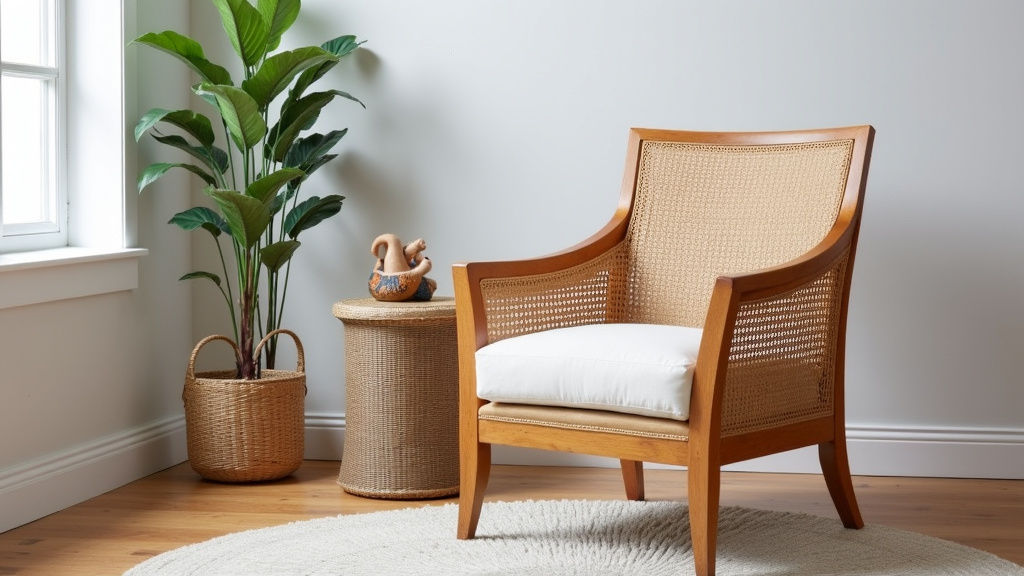
Need an extra seat in your living room? A cane back accent chair can be perfect. It adds visual interest without being too heavy. It can break up solid blocks of upholstery. Place one in a cozy reading nook. It creates a welcoming spot to relax with a book. The natural material also brings warmth into the room. A cane back accent chair can be perfect for a cozy reading nook; our guide explains what makes a good reading chair.
Bedrooms: A Touch of Grace
A cane back chair can add a touch of sophistication to a bedroom. You might put one at a vanity table. Or perhaps a small cane chair in a corner? It can serve as a spot to put on shoes or simply a decorative element. It provides a delicate charm that complements bedroom decor.
Entryways and Hallways: Welcoming Seating
Need a place to sit while you put on your shoes? A cane back chair in your entryway is both stylish and practical. It offers a comfortable spot. It also makes a great first impression for guests. The light appearance won’t make the space feel crowded.
Caring for Your Cane Back Chair
Keeping your cane back chair looking its best is straightforward. A little attention goes a long way. You want to maintain its beauty and structural integrity.
Regular Dusting
Dust is the primary enemy of cane. Use a soft cloth or a vacuum cleaner with a brush attachment. Get into all the nooks and crannies of the weave. Dusting regularly prevents buildup. This keeps the cane looking clean and prevents drying.
Moisture and Spills
Spills should be cleaned up immediately. Use a slightly damp cloth. Then, dry the area thoroughly with a clean, dry cloth. Avoid using harsh cleaning chemicals. Excessive moisture can weaken the cane fibers. It can also cause the cane to sag. Keep your cane away from direct heat sources or prolonged direct sunlight. These can dry out the cane and make it brittle.
What to Do If Cane Sagging Occurs
Sometimes, with age or use, cane can sag a bit. You might have heard that misting the cane with water can help it tighten as it dries. Many sources suggest this method. For example, the Williamsburg Conservation website mentions using moisture to re-tension cane. You can lightly spray the underside of the sagging area. Let it air dry completely. This might help the cane fibers shrink back. If the sagging is severe, or if the cane is broken, professional repair might be needed.
What to Look For When Buying a Cane Back Chair
Ready to find your perfect cane back chair? Here are a few things to keep in mind. Checking these details will help you choose a quality piece.
- Frame Material: Is the wood sturdy and well-finished?
- Weave Quality: Are the cane strands tightly woven? Are there any loose ends or breaks?
- Pattern Consistency: Is the caning pattern even and symmetrical?
- Groove Fit (for pressed cane): Does the cane panel fit snugly into the frame’s groove?
- Comfort: Does the seat cushion provide adequate support? (If applicable)
By paying attention to these points, you can be confident in your purchase. You’ll be bringing home a beautiful and functional piece of furniture.
Conclusion
You’ve learned that a cane back chair offers a unique blend of natural beauty and practical comfort. Its woven cane back, crafted from rattan, provides breathability and a touch of elegance. Whether you’re furnishing a dining room, living area, or bedroom, these chairs add warmth and style. They are surprisingly durable and easy to move. Now that you understand their charm and benefits, you’re ready to find the perfect cane back chair for your home. Start by checking the frame’s sturdiness and the weave’s tightness.
Frequently Asked Questions
How do I clean a cane back chair?
You can clean your cane back chair by dusting it regularly with a soft cloth or a vacuum brush attachment. For spills, wipe gently with a slightly damp cloth and dry thoroughly. Avoid harsh chemicals and excessive moisture to protect the cane fibers.
Will a cane back chair be comfortable for long periods?
Yes, the open weave of a cane back chair allows for excellent airflow, which enhances comfort, especially in warmer weather. This breathability prevents that stuffy feeling. The seat cushion’s comfort is also a key factor, of course.
Is cane a strong material for chair backs?
Cane is surprisingly strong and flexible, making it ideal for woven chair backs. Hand-caning, in particular, is known for its durability and can last for many decades with proper care. The material is designed to offer comfortable support.
Can I repair sagging cane on my chair?
Minor sagging can sometimes be improved by lightly misting the underside of the cane with water and allowing it to air dry. This process can help the cane fibers tighten as they dry. For severe sagging or broken cane, professional repair is recommended.
What’s the difference between pressed cane and hand-caning?
Pressed cane, or sheet cane, is a pre-woven panel glued into a groove in the chair frame. Hand-caning involves weaving the cane directly through holes in the chair frame. Hand-caning is generally considered more durable and can be more decorative.