What Is a Wicker Chair? A Practical Guide

A wicker chair is a type of furniture made by weaving plant materials, like rattan or bamboo, into a strong frame. You’ll often see it used for indoor and outdoor seating. It’s a popular choice for adding a relaxed, natural feel to your home.
Wicker isn’t a material itself, but rather the weaving technique used to create furniture. This method allows for lightweight yet durable pieces that can be styled in many ways. Think of it as a versatile foundation for beautiful seating.
- Wicker chairs are made by weaving natural materials.
- Rattan and bamboo are common materials used.
- It’s a weaving technique, not a specific material.
- Wicker furniture is known for being lightweight and durable.
- It adds a natural, relaxed vibe to spaces.
Ready to learn more about these charming chairs? Below, we’ll guide you through the different types of wicker chairs and what makes them a great addition to your home.
Understanding Wicker Chairs: More Than Just a Weave
So, you’re curious about wicker chairs. It’s easy to see why these chairs are so popular. They bring a touch of natural charm to any space. But what exactly makes a chair “wicker”? The term “wicker” refers to the weaving technique used to create furniture. It’s not a material itself. Think of it like knitting or crocheting – it’s the method of interlacing materials.
This weaving process creates pieces that are surprisingly lightweight yet strong. You can find wicker chairs made from various plant-based materials. These natural fibers are woven around a sturdy frame. This combination results in furniture that’s both beautiful and functional. Many people love wicker for its airy appearance and relaxed vibe.
The Materials Behind the Weave
While wicker is a technique, the materials used are key to a chair’s look and durability. You’ll find several common natural fibers woven into beautiful furniture pieces.
Rattan: The King of Wicker
Rattan is perhaps the most well-known material for wicker furniture. It’s actually a vine that grows in tropical regions, like Southeast Asia. Rattan is strong and flexible. This makes it ideal for weaving intricate patterns. The outer bark of the rattan vine is used for finer weaving details. The inner core is used for the structural frame, giving the chair its strength.
Because rattan is so versatile, you can find it in many styles. It can be bent into curves or straight lines. This allows for a wide range of designs, from classic to modern. Rattan chairs often have a smooth finish. They can be stained or painted to match your decor. Many find rattan to be a very satisfying material for furniture.
Bamboo: A Strong, Sustainable Choice
Bamboo is another popular natural material. It’s known for its rapid growth and strength. Bamboo is technically a grass, but it has the properties of wood. It’s very durable and can withstand a good amount of weight. Bamboo poles are often used for the chair’s frame.
The smaller, pliable parts of the bamboo plant can be used for weaving. Bamboo has a unique look with its distinct nodes, or joints. This gives furniture a very natural and organic feel. Bamboo is also considered a highly sustainable resource. It grows quickly and requires minimal resources. Many eco-conscious shoppers appreciate this aspect.
Other Natural Woven Materials
Beyond rattan and bamboo, other natural materials are also used. You might see chairs made from:
- Seagrass: This is a strong fiber that’s often woven into cushion covers or chair seats. It has a slightly rougher texture and a beautiful earthy tone.
- Water Hyacinth: This fast-growing aquatic plant is woven into furniture. It has a beautiful, natural texture and is often used for more decorative pieces.
- Cane: This comes from the outer bark of the rattan vine. It’s used for weaving the panels of chairs and sofas. Cane weaving has a distinctive open, web-like pattern.
These materials add unique textures and colors. They contribute to the overall charm and natural aesthetic of wicker furniture. Each material offers a slightly different look and feel.
Types of Wicker Chairs You Can Find
The versatility of the wicker weaving technique means you can find chairs for almost any purpose and style. Whether you need seating for your living room, patio, or sunroom, there’s likely a wicker chair for you.
The Classic Armchair
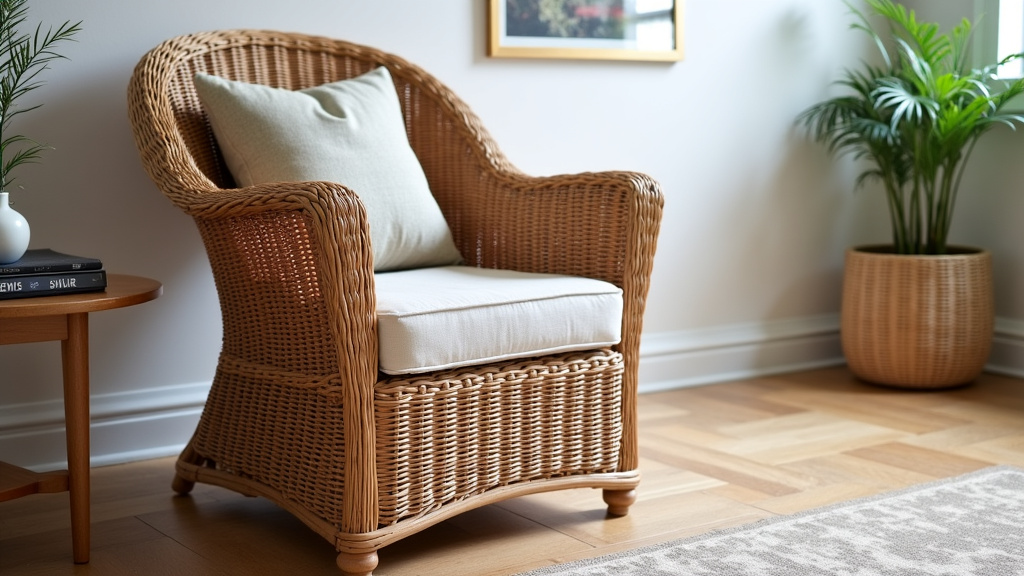
This is the type of chair most people picture when they think of wicker. It typically has a comfortable seat and back. It often features armrests for added comfort. These chairs are perfect for lounging. They can be found indoors or outdoors, often with cushions for extra softness.
Many classic wicker armchairs have a rounded, inviting shape. They lend a cozy and relaxed feel to a room. You might find them in a traditional style or a more contemporary design. They are a staple in sunrooms and on covered porches.
The Versatile Side Chair
A side chair is a smaller, armless chair. It’s designed to fit well at a dining table or desk. You can also use them as accent chairs in a living room or bedroom. Their smaller size makes them easy to move and arrange.
Woven side chairs can add a touch of natural texture to a more formal setting. They can also enhance a casual dining area. Their armless design makes them practical for spaces where you need to slide chairs in and out easily.
The Cozy Rocker and Glider
For ultimate relaxation, consider a wicker rocking chair or glider. These chairs are built on a curved base or a mechanism that allows for gentle motion. They are incredibly soothing and comfortable.
Many people love rocking chairs for nurseries or quiet reading nooks. Gliders offer a smoother, back-and-forth motion. Both types can be found in a variety of wicker styles. They are a wonderful way to unwind after a long day. Many people love rocking chairs for nurseries or quiet reading nooks.
The Statement Accent Chair
Accent chairs are meant to be a focal point in a room. Wicker accent chairs come in many unique and artistic designs. You might find chairs with dramatic shapes, bold weaving patterns, or interesting color combinations.
These chairs are perfect for adding personality to a space. They can be placed in corners, at the end of a sofa, or beside a fireplace. A well-chosen wicker accent chair can truly transform the look of a room.
The Relaxed Lounge Chair and Chaise
If you’re looking for something to truly stretch out on, a wicker lounge chair or chaise is the answer. These are designed for maximum comfort and relaxation. They often recline or are shaped to support your entire body.
These are ideal for patios, poolside, or sun-drenched rooms. They invite you to kick back with a good book and a cool drink. Many come with thick, plush cushions for added luxury.
Wicker Chairs for Indoor and Outdoor Use
One of the best things about wicker furniture is its adaptability. You can use it both inside your home and out on your patio or deck. However, it’s important to know the difference between indoor and outdoor wicker.
Indoor Wicker: Natural Beauty
Chairs made from natural materials like rattan, bamboo, or seagrass are best suited for indoor use. While they are durable, prolonged exposure to the elements can damage them. Sunlight can cause fading and brittleness. Rain and humidity can lead to mold or rot.
Indoor wicker chairs add a warm, organic touch to living rooms, sunrooms, and bedrooms. They pair well with many decor styles. Their natural textures can bring a sense of calm and tranquility. Think of them as bringing a piece of nature inside.
Outdoor Wicker: Built to Last Outdoors
For furniture that lives outside, you’ll want to look for “all-weather” or “synthetic” wicker. This type of wicker is made from man-made materials like resin or vinyl. These materials are designed to withstand sun, rain, and temperature changes.
Synthetic wicker is woven around a sturdy aluminum or steel frame. The frame is usually powder-coated to prevent rust. This ensures the chair can handle being outdoors year-round. Outdoor wicker often mimics the look of natural wicker but offers superior durability for exterior spaces.
Here’s a quick way to tell the difference:
| Feature | Natural Wicker (Indoor) | Synthetic Wicker (Outdoor) |
|---|---|---|
| Material | Rattan, bamboo, seagrass, cane | Resin, vinyl, polyethylene |
| Durability | Good indoors, sensitive to elements | Excellent resistance to sun, rain, mildew |
| Maintenance | Wipe clean, avoid direct moisture | Easy to clean with soap and water |
| Appearance | Natural, organic textures, warm tones | Can mimic natural wicker, wider color options |
Choosing the right type ensures your chair lasts and looks great, whether it’s by the fireplace or by the pool.
Caring for Your Wicker Chair
Taking good care of your wicker chair will help it stay beautiful for years to come. The care routine depends on whether you have natural or synthetic wicker.
Caring for Natural Wicker
Dust your natural wicker chair regularly with a soft brush or cloth. For deeper cleaning, use a damp cloth. You can use mild soap and water for stubborn dirt. Be sure to wipe it dry afterward.
If your natural wicker chair is used outdoors, make sure it’s in a covered area. Bring it inside during bad weather or the off-season. This will protect it from moisture and sun damage. Many experts suggest a light coat of natural oil, like linseed oil, once a year for rattan to keep it supple (NCBI).
Caring for Synthetic Wicker
Synthetic wicker is much easier to care for. You can typically clean it with a solution of mild soap and water. A soft brush can help you get into the woven areas. Rinse thoroughly with a hose and let it air dry.
Most synthetic wicker is UV-resistant. This means it won’t fade or crack as easily in the sun. However, it’s still a good idea to cover it or store it during harsh winters. This helps prolong its lifespan and keep it looking its best.
A Quick Checklist for Choosing Your Wicker Chair
Ready to find the perfect wicker chair? Keep these points in mind:
- Decide on the location: Indoor or outdoor use?
- Choose your material: Natural for indoors, synthetic for outdoors.
- Consider the style: Armchair, side chair, rocker, or accent?
- Check the frame: Make sure it’s sturdy and well-constructed.
- Look at the weave: Is it tight and even? Are there any loose strands?
- Factor in comfort: Will you need cushions? Does it feel supportive?
Conclusion
You’ve learned that wicker chairs are more than just furniture; they’re a beautiful weaving technique applied to natural or synthetic materials. From strong rattan and sustainable bamboo to modern resins, the choices offer unique textures and durability. Whether you’re aiming for a cozy indoor retreat or a stylish outdoor oasis, understanding the material and intended use is key. By considering your space and care needs, you can confidently select a wicker chair that brings lasting charm and comfort to your home. Now, take a moment to assess your space and start browsing for that perfect piece!
Frequently Asked Questions
What’s the main difference between natural wicker and synthetic wicker?
Natural wicker, made from plant fibers like rattan or bamboo, is best for indoor use due to its sensitivity to moisture and sun. Synthetic wicker, often resin or vinyl, is designed for outdoor durability, resisting weather damage like fading and cracking.
Can I put a natural wicker chair outside, even on a covered porch?
While a covered porch offers some protection, natural wicker can still be damaged by humidity and indirect sunlight over time. For the longest lifespan, it’s best to keep natural wicker furniture indoors or in a fully enclosed space.
How often should I clean my wicker chairs?
Dust natural wicker chairs weekly with a soft brush. For synthetic wicker, a quick wipe down with soap and water is usually sufficient every few weeks, or as needed, especially after outdoor use.
Do wicker chairs need cushions for comfort?
Many wicker chairs are designed to be comfortable on their own, especially those with curved backs and seats. However, adding cushions greatly enhances comfort, especially for extended sitting, and allows you to easily change the look of your chair.
Is wicker furniture heavy to move around?
Wicker chairs made from natural materials like rattan and bamboo are typically quite lightweight, making them easy to reposition. Synthetic wicker chairs might be slightly heavier, depending on the frame material and weave density.