Does an Ottoman Have to Match the Chair?
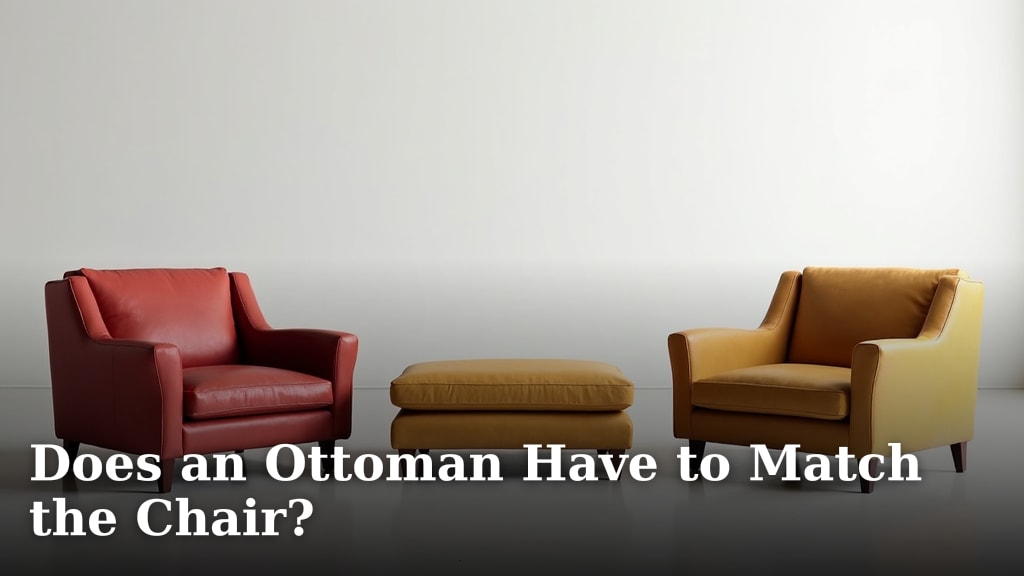
No, your ottoman does not have to match your chair. While a perfectly coordinated set looks polished, mixing and matching can add personality. The key is to create a look that feels intentional, not accidental. Your living room is your space to design.
Many designers suggest that a bit of contrast can actually make a room more interesting. Think about how you can use color, texture, or style to tie different pieces together. It’s about building a cohesive look that reflects your personal style. Don’t be afraid to break the “rules”.
- Ottomans don’t need to match chairs.
- Mixing and matching creates personality.
- Intentional design is key.
- Contrast can make a room interesting.
Let’s talk about how you can choose an ottoman that perfectly fits your existing furniture and style. Let’s talk about how you can choose an ottoman that perfectly fits your existing furniture and style, like an accent chair with an ottoman.
Mixing and Matching Your Ottoman and Chair: A Style Guide
So, does an ottoman have to match your chair? The short answer is a resounding no. While buying a matching set is the easiest way to go, it’s not the only way to create a stylish living room. In fact, many interior designers find that a little contrast can make a room feel more dynamic and personal. You can absolutely create a cohesive and beautiful space by pairing an ottoman that doesn’t match your chair perfectly. It’s all about making thoughtful choices that tie your pieces together.
The Case for Contrast: Why Mismatching Works
Think of your living room as a curated collection. You wouldn’t wear a suit where every single item is from the exact same store and collection, would you? Probably not. You pick pieces you love. The same logic applies to your furniture. When you intentionally choose an ottoman that’s different from your armchair, you add a layer of visual interest. It shows personality and a confident design approach. It’s about creating a space that feels uniquely yours, not like a showroom floor.
We found that intentional contrast can actually make your main seating feel more prominent. For instance, a bold ottoman can draw the eye, making your favorite reading chair even more inviting. It’s a way to subtly guide attention and add a focal point. This approach is popular among designers because it allows for more flexibility. You can update one piece without needing to replace everything. This approach is popular among designers because it allows for more flexibility, especially when choosing a reading chair.
Finding Harmony: How to Tie Unmatched Pieces Together
The trick to successful mismatching is finding common ground. You want the pieces to *belong* together, even if they aren’t identical twins. This is where color, texture, and style come into play. It’s about creating a visual conversation between your furniture.
Color Connection: Using Shade and Tone
One of the simplest ways to link an ottoman to a chair is through color. Your ottoman doesn’t need to be the exact same color as your chair, but it should share a color family or a specific hue. For example, if your chair is a navy blue, a teal or a lighter sky blue ottoman can work beautifully. You can also pull a color from a pattern on your chair or from accents in the room, like throw pillows or artwork.
Consider a neutral chair with a bold ottoman. If your armchair is a classic beige or grey, you have a fantastic canvas. You can introduce a vibrant jewel tone like emerald green or sapphire blue with your ottoman. This adds a pop of color without overwhelming the space. Conversely, a neutral ottoman can ground a brightly colored chair. We found that this often creates a sophisticated and balanced look.
Texture Play: Adding Depth and Interest
Texture is another powerful tool for unifying dissimilar pieces. Imagine a cozy, boucle armchair. Pairing it with a smooth leather ottoman can create an interesting contrast. Or, a chair with a subtle weave might look great with a chunky knit ottoman. The goal is to have textures that complement each other rather than clash. Think about how different materials feel and look.
We found that incorporating a variety of textures makes a room feel more inviting and lived-in. For instance, if your chair is made of a natural material like linen or cotton, an ottoman with a metallic accent or a velvet finish can add a touch of glamour. It’s about balancing softness with structure, or matte with sheen. This creates a rich sensory experience for your living space.
Style Harmony: Similar Silhouettes and Eras
While your ottoman and chair don’t need to be a perfect match, they should at least be in the same style ballpark. A sleek, modern armchair might look a little out of place with a rustic, antique-style ottoman. Instead, try to match the general form or era. If your chair is mid-century modern, look for an ottoman with clean lines and perhaps tapered legs.
If you have a traditional, rolled-arm chair, consider an ottoman with a similar classic feel. This doesn’t mean it has to be the same fabric or color. It just means the overall shape and design language should be compatible. We found that when in doubt, leaning towards simpler, more transitional styles for the ottoman can bridge different furniture aesthetics. It’s about creating a visual flow that makes sense to the eye.
The Role of Other Elements in the Room
Don’t forget that your ottoman and chair are part of a larger picture. The rest of your living room decor plays a huge role in making your chosen combination feel intentional. Think about how your rug, curtains, wall color, and accent pieces can help tie everything together. They are the supporting cast that makes your leading furniture shine.
The Rug as a Unifier
Your area rug is a fantastic tool for uniting mismatched furniture. If your chair and ottoman are different colors or patterns, a rug can be the bridge. Choose a rug that incorporates colors from both pieces. For example, if your chair is a deep green and your ottoman is a warm beige, a rug with hints of green and beige can make the pairing look cohesive. We found that rugs with abstract patterns or geometric designs are often very effective for this purpose.
Even if your chair and ottoman are quite different, a rug can provide a grounding element. It defines the seating area and creates a sense of order. Consider the scale of your rug as well. It should be large enough for the front legs of your chair and ottoman to sit on it. This creates a more unified and grounded look. A rug that is too small can make the space feel disjointed.
Accent Pieces and Accessories
The accessories in your room are your secret weapon for making a mismatched set work. Throw pillows, blankets, artwork, and decorative objects can all help to echo colors and textures found in both your chair and ottoman. For example, if your ottoman has a metallic base, incorporate metallic accents elsewhere in the room, like in a lamp or picture frame. This subtle repetition builds a cohesive look.
We found that strategically placed cushions on your chair can pull in the color or pattern of your ottoman. Or, a throw blanket draped over the chair can echo a texture found in the ottoman. It’s these small details that make a big difference. They create visual connections that the eye recognizes, making the overall design feel intentional and well-thought-out.
When to Consider a Matching Set (And When Not To)
There are definitely times when a matching set makes perfect sense. If you’re aiming for a very formal, traditional, or minimalist aesthetic, a perfectly coordinated chair and ottoman can achieve that polished look effortlessly. It’s the straightforward route to a put-together room.
However, if you’re looking to inject more personality, warmth, or a touch of eclectic charm into your home, embracing the mismatch is the way to go. It allows you to play with color and texture in ways that a matching set might limit. Many experts suggest that unique spaces often come from breaking away from the expected. Your home should be a reflection of your individual taste.
A Quick Checklist for Choosing Your Ottoman
Ready to find the perfect ottoman to complement your chair? Keep these points in mind:
- Color Harmony: Does the ottoman share a color family or a specific hue with your chair or room accents?
- Texture Balance: Do the textures of the ottoman and chair work well together, adding interest without clashing?
- Style Compatibility: Are the general styles of the chair and ottoman aligned, or do they at least have a complementary feel?
- Room Integration: Can your rug, artwork, or accessories help tie the ottoman and chair together?
- Personal Preference: Does the combination feel right to you? Your comfort and style are most important.
- Functionality: Will the ottoman serve its purpose for you, whether it’s for feet, extra seating, or storage?
By considering these elements, you can confidently select an ottoman that enhances your existing seating and creates a stylish, inviting living space. Don’t be afraid to think outside the traditional matching-set box!
Conclusion
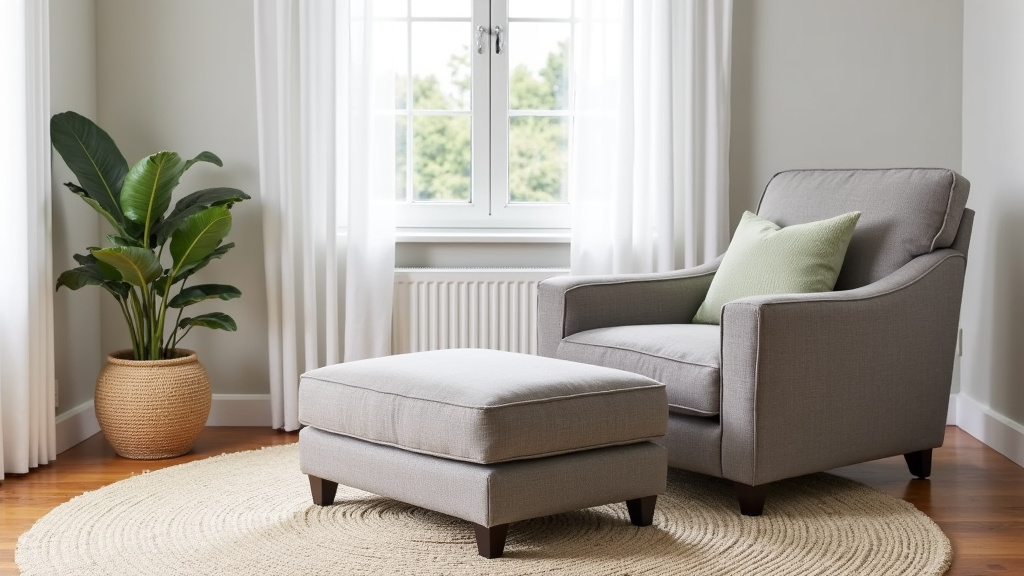
You’ve learned that your ottoman doesn’t need to be a twin to your chair. Mixing and matching can create a living room that’s uniquely yours. By paying attention to color, texture, and style, you can help your furniture pieces feel like they belong together. Remember to use your rug and accessories to tie everything together. Your personal style is what matters most, so have fun creating a space you love. Now go find that perfect ottoman!
Frequently Asked Questions
What if my chair is patterned and my ottoman is solid?
This is a great opportunity for contrast! If your chair has a busy pattern, choose an ottoman in a solid color that’s found within the chair’s pattern. This creates a visual link without competing. You can also pick a solid ottoman in a neutral tone that complements the overall pattern of the chair.
Can I use a different shape ottoman than my chair?
Absolutely. Shape can add another layer of interest. For example, a square ottoman might look great with a round armchair. The key is to ensure the scale feels right for your space and that the general style vibes are compatible. Don’t be afraid to play with different silhouettes.
My ottoman is a bold color, and my chair is neutral. How do I make them work?
This is a popular and effective design choice! Use your accessories to bridge the gap. If your ottoman is, say, emerald green, incorporate green throw pillows on your neutral chair. A rug with a touch of green can also help. This repetition makes the bold ottoman feel intentional.
Is it okay if my ottoman is a different material than my chair?
Yes, mixing materials can add a lot of depth. A soft fabric chair could pair nicely with a leather ottoman for an interesting textural contrast. Just ensure the materials don’t clash visually – for instance, avoid pairing a very shiny, synthetic material with a rugged, natural one unless you’re aiming for a very specific look.
How do I know if my chosen ottoman and chair look intentionally mismatched?
Trust your gut! If you’ve considered color, texture, and style, and the pieces feel like they belong in the same room even if not the same set, you’re likely on the right track. Look at the overall feel – does it seem curated or chaotic? If it feels intentional and pleasing to you, that’s the best indicator.