Do Accent Chairs Need an Ottoman? What to Know
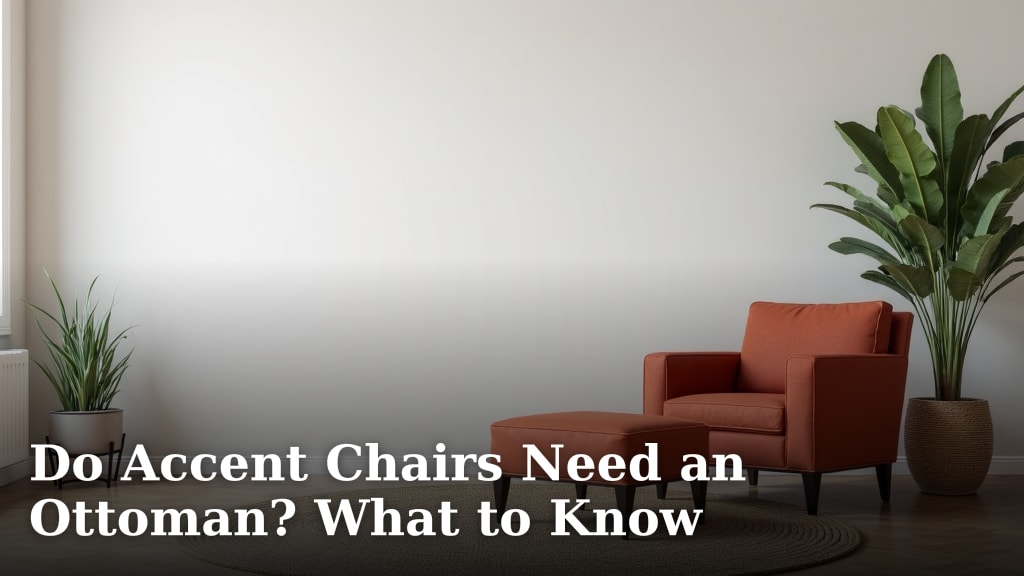
No, accent chairs do not need an ottoman to be functional or stylish. While an ottoman can add comfort and complete a look, it’s not a requirement for every accent chair setup. You can create a beautiful and cozy corner without one.
Many homeowners wonder if an ottoman is a mandatory accessory for their accent chairs. We found that the decision really depends on your personal needs and design goals. Sometimes, a chair stands perfectly well on its own, offering a chic spot for reading or conversation.
- Ottomans are optional for accent chairs.
- They add comfort and can complete a look.
- A chair can be stylish and functional alone.
- Consider your needs and design goals.
Let’s dive into what makes sense for your space and whether an ottoman is the right addition to your accent chair.
You’ve got a beautiful accent chair. Now you’re wondering, “Do I need an ottoman to go with it?” It’s a common question! Think of your accent chair as the star of the show. Sometimes, it’s strong enough to shine all by itself. Other times, a supporting actor, like an ottoman, can really help it shine brighter. Let’s figure out if your chair needs a sidekick.
Your Accent Chair and the Ottoman Question
So, do accent chairs always need an ottoman? The short answer is no, they do not. Many accent chairs are designed to be standalone pieces. They offer a cozy spot to sit, read, or chat without needing extra furniture. Your personal style and how you plan to use the chair are the biggest factors. We found that most homeowners choose an ottoman for added comfort or to enhance the overall look of their seating area. If you plan to use your accent chair for extended periods, consider if a dedicated reading chair might be a better fit.
When an Ottoman Makes Sense
An ottoman can be a fantastic addition when you want to create a more relaxed and inviting space. It’s like giving your feet a much-needed vacation after a long day. If you plan to use your accent chair for extended periods, like curling up with a good book or enjoying a cup of tea, an ottoman can significantly boost your comfort level. We found that studies on posture and relaxation highlight the benefits of elevating your legs.
Research shows that elevating your legs can help improve circulation (Cleveland Clinic). This can reduce swelling and discomfort, especially for those who spend a lot of time on their feet. An ottoman transforms your accent chair from a simple seat into a more complete lounging experience. It’s a simple way to make your chair more functional and feel more luxurious.
Boosting Comfort and Relaxation
Imagine sinking into your accent chair. Now, imagine being able to kick your feet up. That’s the magic of an ottoman! It’s not just about comfort; it’s about creating a little sanctuary in your home. We found that many people consider an ottoman essential for creating a true relaxation zone. It helps you unwind and destress more effectively.
Enhancing the Aesthetic
Beyond comfort, ottomans play a big role in interior design. They can anchor a seating area, adding a sense of completeness and style. A well-chosen ottoman can tie together the colors and textures in your room. It acts as a visual “finishing touch.” We found that designers often use ottomans to add depth and balance to a room’s layout.
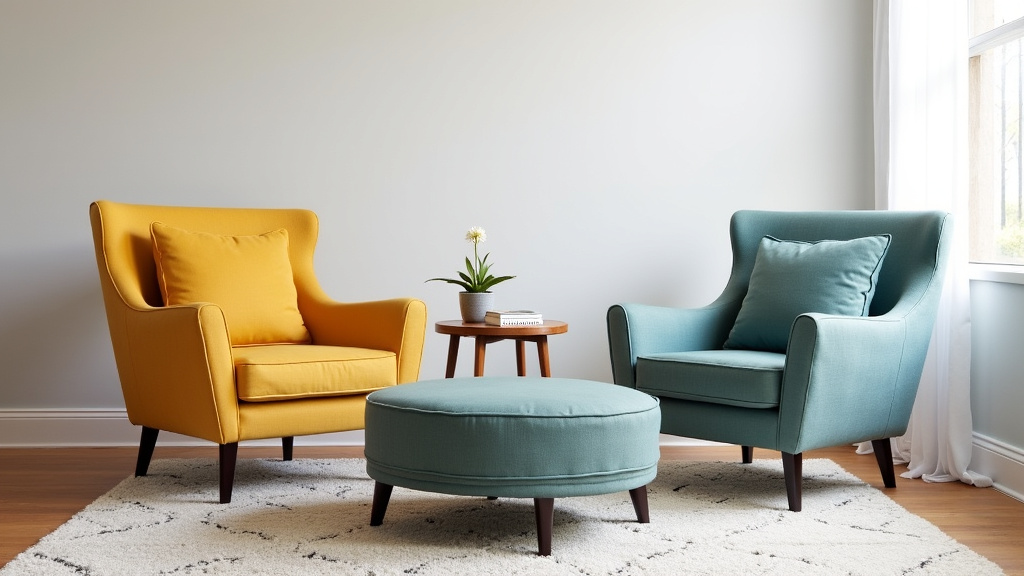
Think of your accent chair and ottoman as a pair. They can create a more balanced and harmonious look. An ottoman can act as a coffee table alternative, a footrest, or even extra seating when guests are over. This versatility is a major reason why many choose to include one.
When an Ottoman Might Be Unnecessary
Sometimes, less is more. If your accent chair already has a high back or a generous seat, it might provide all the comfort you need. Adding an ottoman could feel crowded in a smaller space. We found that for chairs with built-in footrests or reclining features, an ottoman is usually redundant. For those seeking more generous seating that might negate the need for an ottoman, a chair and a half is worth exploring.
Consider the scale of your room. In a small living room or bedroom, an ottoman might take up too much valuable floor space. It could make the area feel cluttered. If your accent chair is more of a decorative piece, used for occasional seating rather than long lounging sessions, an ottoman might not be a priority.
Space Constraints
When space is tight, every piece of furniture counts. An accent chair might be perfectly sized for its corner without adding an ottoman. Trying to squeeze in an ottoman could make the area feel cramped. We found that in smaller apartments or rooms, homeowners often opt for multi-functional furniture to maximize space. An ottoman can be functional, but it might not be the most space-efficient choice.
Chair Design and Functionality
Some accent chairs are simply beautiful sculptures. Their design might be the main attraction, and an ottoman could detract from that. Perhaps the chair is a slipper chair, low to the ground, where an ottoman might feel out of proportion. Or maybe it’s a statement chair that you want to stand out on its own. In these cases, the chair’s inherent design is enough.
Factors to Consider for Your Space
Deciding whether to pair your accent chair with an ottoman involves looking at a few key things. Your lifestyle, the room’s layout, and your personal taste all play a role. We found that understanding these factors helps you make the best choice for your home.
Your Lifestyle and Usage Habits
How will you primarily use your accent chair? If it’s your go-to spot for morning coffee and reading the news, comfort is likely a high priority. In this scenario, an ottoman makes a lot of sense. You’ll want to put your feet up while you relax. We found that users who spend more than an hour a day in their accent chair often consider an ottoman a necessity for comfort.
On the other hand, if the chair is more for occasional use – a stylish perch for guests or a decorative element – an ottoman might be less important. Think about your daily routine. Does putting your feet up sound appealing and useful? Or does it feel like something you’d rarely do?
Room Size and Layout
The dimensions of your room are critical. Measure the space where you plan to put your accent chair. Then, consider how much room an ottoman would take up. You want to ensure there’s still plenty of space to walk around comfortably. We found that a good rule of thumb is to leave at least 18 inches between your ottoman and coffee table or other furniture.
For smaller rooms, a compact accent chair without an ottoman might be the smartest choice. In larger spaces, an ottoman can help define a seating area and make it feel more grounded. It can also balance out the visual weight of a larger chair. Think about the overall flow of the room.
Your Design Goals and Style Preferences
What look are you going for? If you want a cozy, traditional, or lounge-like feel, an ottoman can help achieve that. It adds a layer of comfort and warmth. If your style is more minimalist or modern, a clean-lined accent chair might stand perfectly well on its own. We found that some design styles, like mid-century modern, often feature accent chairs without ottomans.
Consider the other furniture in the room. Does your accent chair need an ottoman to feel balanced with other seating? Or is it a standalone statement piece? Your personal preference is paramount here. Do you simply like the look of a chair and ottoman set?
Ottoman Alternatives and Considerations
If you’re leaning towards not having an ottoman, or if space is a concern, there are still ways to add comfort and style. You don’t always need a matching ottoman to achieve a put-together look. We found that creative solutions can often provide the best of both worlds.
Stylish Poufs and Footstools
A pouf or a small footstool can offer some of the benefits of an ottoman without the bulk. They are often lighter and easier to move around. Many come in various fabrics and colors, adding a decorative touch. We found that poufs can also double as extra seating or a temporary side table.
A small, sturdy footstool can be just enough to elevate your feet slightly. It provides a sense of comfort without demanding a large footprint. These are great options for adding a touch of relaxation to a chair that doesn’t necessarily *need* a full ottoman.
Versatile Side Tables
A side table placed next to your accent chair can serve multiple purposes. It can hold a drink, a book, or a lamp. And in a pinch, it can even serve as a makeshift footrest if it’s sturdy enough. We found that choosing a side table with a lower shelf can add extra storage and visual interest.
This option is particularly useful if your accent chair is more about style than deep lounging. It keeps the area functional for everyday needs. Plus, a well-chosen side table can complement your chair’s design beautifully.
Floor Cushions or Large Pillows
For a more casual and bohemian vibe, consider using large floor cushions or oversized decorative pillows. You can arrange them at the base of your accent chair. This provides a soft surface to rest your feet. We found that this approach works well for accent chairs that are low to the ground.
This is a budget-friendly and flexible option. You can easily swap out cushions to change the look of your space. It adds a relaxed and comfortable feel without the commitment of a dedicated ottoman.
A Quick Checklist for Your Decision
Here’s a simple way to think through whether your accent chair needs an ottoman:
- Do you plan to lounge in the chair for extended periods? If yes, consider an ottoman for comfort.
- Is space a major concern in your room? If yes, explore smaller poufs or skip the ottoman.
- Does the chair’s design already provide ample support and comfort? If yes, it might stand alone perfectly.
- What is your overall design style? Cozy styles often benefit from ottomans; minimalist styles might not.
- Do you want the flexibility of extra seating? Ottomans and poufs can often serve this purpose.
- How important is it to “complete the look” with matching furniture? If very important, an ottoman might be key.
Conclusion
Ultimately, your accent chair doesn’t need an ottoman to be a fantastic addition to your home. Think of the ottoman as an optional upgrade for comfort and style. If you envision long, relaxing sessions in your chair, or if you want to create a more complete seating arrangement, an ottoman can be a great choice. However, if space is limited or your chair already offers sufficient comfort, it can shine beautifully on its own. Consider your daily habits and your room’s layout to decide if adding an ottoman or exploring alternatives like poufs makes the most sense for your unique space and lifestyle.
Frequently Asked Questions
Can I use a different piece of furniture as a footrest for my accent chair?
Yes, absolutely! Many people find success using a stylish pouf or a sturdy footstool as a footrest. These options can offer similar comfort benefits to an ottoman but often take up less space. They can also add a unique decorative element to your seating area.
How much space do I need to add an ottoman to my accent chair?
A good guideline is to have at least 18 inches of space between your accent chair and an ottoman. This ensures you have enough room to comfortably place your feet up and still move around the area. Measure your space carefully to avoid making the area feel cramped.
Are ottomans always a matching set with accent chairs?
No, they don’t have to be a matching set. While matching ottomans can create a coordinated look, mixing and matching can also add personality. You can choose an ottoman in a contrasting color or fabric to make a design statement. The key is that it complements your chair and the room’s overall style.
What if my accent chair is very low to the ground?
For low-profile accent chairs, a full-sized ottoman might feel out of proportion. In these cases, a low pouf, a small footstool, or even decorative floor cushions can be a better fit. These options provide a place to rest your feet without overwhelming the chair’s design.
Is an ottoman necessary for a decorative accent chair?
If your accent chair is primarily for decoration or occasional seating, an ottoman is likely unnecessary. These chairs are often chosen for their visual appeal rather than extended comfort. You can focus on the chair’s design itself and perhaps add a small side table for functionality instead.