How to Choose a Chair for a Nursery: Know Before You Start

Choosing the right chair for your nursery means balancing comfort, safety, and style. You’ll want a chair that makes feeding and soothing your baby a peaceful experience. Consider features like armrest height and ease of cleaning when you start looking.
This furniture piece is more than just a seat; it’s where you’ll spend countless hours bonding with your little one. Many parents find that a rocker or glider provides soothing motion that helps babies relax. Your choice impacts both your well-being and your baby’s comfort during those precious early days.
- Consider rocker vs. glider for soothing motion.
- Check armrest height for comfortable feeding.
- Look for easy-to-clean fabrics.
- Ensure the chair is stable and safe.
- Think about the chair’s size for your room.
Let’s walk through exactly what to look for to find the perfect nursery chair for you and your baby.
Picking the Perfect Nursery Chair: What to Consider
Choosing the right chair for your baby’s nursery is a big decision. You’ll be spending a lot of time in this chair. It needs to be comfortable for you and safe for your little one. Think about how you’ll use it daily. This chair will be your go-to spot for feeding, rocking, and bonding. We’ve broken down the key things to look for to help you find the best fit. Consider a dedicated reading chair for a comfortable spot to bond with your baby.
Rocker vs. Glider: Finding Your Soothing Motion
When you think about nursery chairs, rocking and gliding often come to mind. Both offer a gentle motion that can help soothe a fussy baby. Understanding the difference can help you choose which motion is right for you.
The Classic Rocker
A rocker moves back and forth on a curved base. It offers a familiar, rhythmic motion. Some find this very calming. You can control the speed and intensity of the rock yourself. It’s a simple, straightforward motion that many parents love. You can easily find a rocking chair that fits your home’s style.
The Smooth Glider
A glider moves forward and backward in a more linear path. It often has a smoother, quieter motion than a rocker. Many gliders have an ottoman that moves with the chair. This allows you to put your feet up. The combined motion can feel very relaxing for both you and the baby. It’s like being on a gentle, indoor swing.
Choosing Your Motion Preference
Which motion is better? It really comes down to personal preference. Some people prefer the more expansive swing of a rocker. Others enjoy the controlled, smooth glide of a glider. If possible, try sitting in both types before you buy. See which one feels more natural and relaxing to you. You’ll be using this motion for many hours.
Comfort is Key: For You and Baby
Your comfort is just as important as your baby’s. You’ll be nursing, bottle-feeding, and cuddling for hours. The chair needs to support your body well. Think about the materials and padding.
Armrest Height and Support
The height of the armrests is surprisingly important. You want armrests that are at a height where you can comfortably rest your arms. This is especially key when holding a baby. If the armrests are too low, you might hunch over. If they are too high, your arms might feel strained. Many parents find that armrests set at about elbow height are ideal. This allows for a relaxed posture during feeding.
Back Support and Lumbar Cushioning
Good back support can make a big difference. Look for a chair with a high back. This will support your head and neck. A chair with built-in lumbar support is also a great feature. This helps cushion your lower back. You might be sitting for long stretches. Proper support can prevent aches and pains. Consider if you prefer a chair with a firm cushion or a softer, more plush feel.
Seat Depth and Width
Make sure the seat is deep enough for you to sit comfortably. You should be able to rest your back against the backrest. The width should also be adequate. You don’t want to feel squeezed. Some chairs are designed with extra width. This can be helpful if you plan to snuggle your baby close or even have a toddler join you sometimes.
Safety First: Protecting Your Little One
Safety is non-negotiable when it comes to nursery furniture. You want a chair that is stable and free from hazards.
Sturdy Construction and Stability
A wobbly chair is a recipe for disaster. Look for a chair that feels solid and well-built. Test it by gently rocking or shifting your weight. It should not tip or feel unstable. Check the base of the chair. A wider base usually means more stability. If it comes with an ottoman, ensure that moves smoothly and safely with the chair.
Material Safety and Finishes
The materials used should be safe for babies. Many nursery chairs are made with wood, metal, and fabric. Look for non-toxic finishes. Some parents prefer organic or natural materials. Check if the chair meets safety standards. Reputable manufacturers will clearly state this. Avoid chairs with sharp edges or small parts that could detach.
No Pinch Points
Some rocking or gliding mechanisms can create pinch points. Be mindful of this, especially if you have older children who might play around the chair. Read reviews to see if other parents have mentioned any concerns about pinch hazards. Many modern gliders are designed with safety in mind to prevent this.
Fabric Choices: Durability and Cleanability
Babies are messy. Spit-up, diaper blowouts, and spilled milk are part of the parenting journey. Your chair’s fabric needs to stand up to this. It also needs to be easy to clean.
Durable and Stain-Resistant Materials
Many nursery chairs come with fabric options like microfiber, polyester blends, or performance fabrics. These are often chosen for their durability and stain resistance. They tend to hold up well to frequent use and cleaning. Cotton can be comfortable but may stain more easily.
Easy to Wipe Down or Spot Clean
Some fabrics are specifically designed to be wiped clean with a damp cloth. This is a lifesaver when dealing with immediate messes. Look for information on the fabric care. Can you spot clean it? Is it machine washable (though this is less common for the whole chair)? Having a fabric that can handle a quick clean-up is highly desirable.
Consider Removable Covers
Some chairs offer removable cushions or covers. These can be a fantastic option. You can wash them more thoroughly if needed. Always check the washing instructions. Some might be dry-clean only, while others can go in the washing machine.
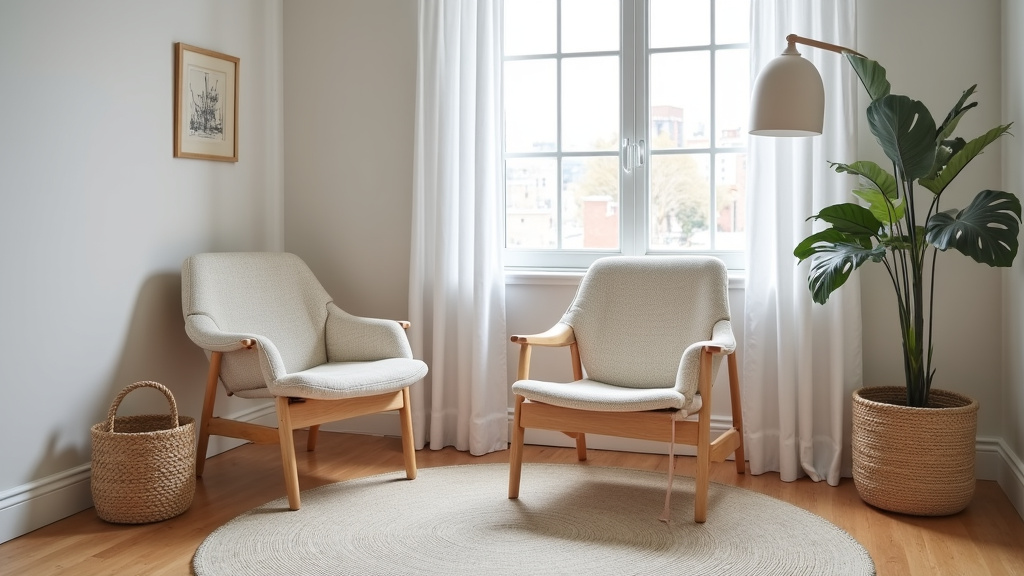
Size and Space: Fitting Your Nursery
A huge, overstuffed chair might look amazing, but it won’t be practical if it overwhelms your nursery space. Measure your room before you shop.
Measure Your Nursery
Before you fall in love with a particular chair, grab your tape measure. Measure the area where you plan to put the chair. Consider not just the chair’s dimensions but also the space needed for it to rock or glide freely. You’ll want enough room to walk around it comfortably.
Chair Dimensions to Watch For
Pay attention to the chair’s width, depth, and height. Also, consider the ottoman’s size if it comes with one. A petite nursery might need a more streamlined chair. A larger room can accommodate a more generous-sized chair and ottoman.
Think About Your Room Layout
Where will the chair best fit? Will it be near a window for natural light during feedings? Will it be close to a crib for easy access? Planning the layout can help you determine the ideal chair size and shape for your specific nursery setup.
Style and Aesthetics: Complementing Your Decor
While function is primary, you also want a chair that looks good. It’s part of creating a welcoming space for your baby. Thankfully, many stylish options are available.
Matching Your Nursery Theme
Nursery chairs come in countless styles, colors, and patterns. You can find modern, traditional, minimalist, or even bohemian designs. Think about your nursery’s overall theme. Do you want the chair to be a bold statement piece or blend in seamlessly?
Color and Pattern Choices
Neutral colors are popular because they can adapt to changing decor. However, a pop of color can also add personality. Consider how the color will hold up to potential stains. Some parents opt for darker or patterned fabrics to hide minor marks better.
Your Nursery Chair Checklist
To help you make your final decision, here’s a quick checklist of what to look for:
- Motion: Does the rocking or gliding motion feel comfortable and soothing to you?
- Comfort: Is the seat deep enough? Do the armrests and back support feel right?
- Safety: Does the chair feel sturdy and stable? Are there any apparent hazards?
- Fabric: Is the material durable and easy to clean?
- Size: Will the chair fit well in your nursery space?
- Style: Do you love how it looks and does it fit your decor?
Taking the time to consider these points will help you select a nursery chair that you and your baby will love for years to come.
Conclusion
Choosing your nursery chair is about creating a comfortable haven for you and your baby. You’ve learned about the soothing motions of rockers and gliders, the importance of ergonomic comfort, and why safety and easy-to-clean fabrics are essential. Remember to measure your space and consider the chair’s size and style to perfectly fit your nursery’s layout and your personal taste. Your final step is to visit a showroom if possible. Testing out different chairs will give you the best feel for what truly works for your body and your bonding time.
Frequently Asked Questions
How much should I spend on a nursery chair?
Nursery chair prices can vary widely, from a few hundred to over a thousand dollars. Your budget will guide your choices, but focus on finding a chair that offers good support and durability within your price range. Often, investing a little more upfront can mean a chair that lasts through multiple children.
Can I use a regular armchair instead of a nursery chair?
While you can use a regular armchair, dedicated nursery chairs often have features tailored for parents. These include specific armrest heights for feeding, supportive backrests for long sitting sessions, and smooth rocking or gliding motions designed to soothe babies.
What are the best fabrics for a nursery chair that’s easy to clean?
Performance fabrics, microfiber, and polyester blends are excellent choices. They are known for their durability and resistance to stains. Look for fabrics that are specifically labeled as easy to wipe clean or spot clean. Some chairs even offer removable covers for machine washing.
Is an ottoman essential with a nursery chair?
An ottoman isn’t strictly essential, but it can greatly enhance comfort. It allows you to put your feet up, which can relieve pressure and make feeding or soothing your baby more relaxing. Many gliders come with matching ottomans that move in sync with the chair’s motion.
How do I know if a nursery chair is safe for my baby?
Look for chairs with sturdy, stable construction. Ensure the chair doesn’t wobble or tip easily. Check for any sharp edges or small parts that could break off. Reputable manufacturers will often indicate if their chairs meet safety standards. Reading reviews can also reveal if other parents have encountered any safety concerns.