What Is a Mid-Century Modern Chair? Style Basics
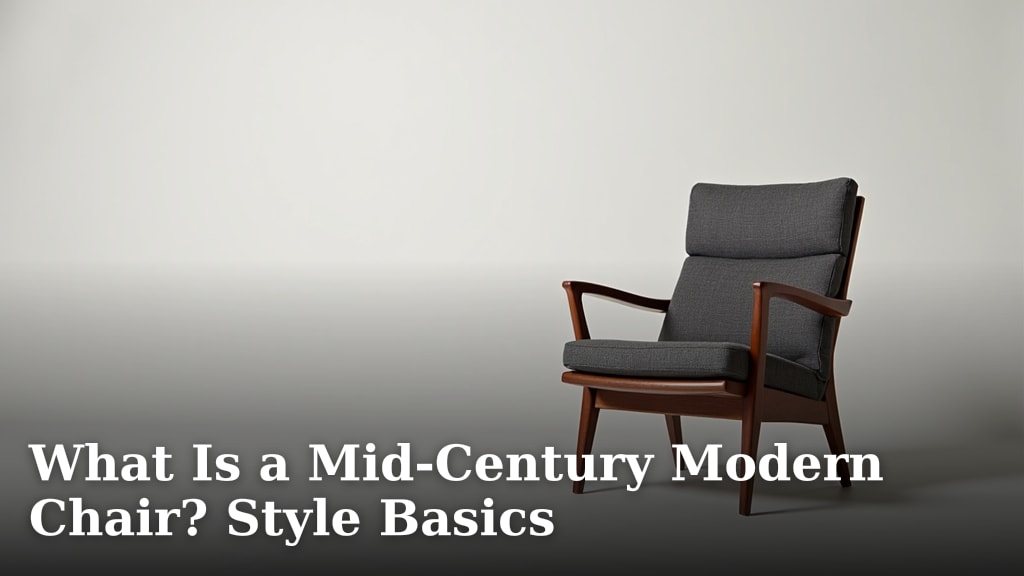
A mid-century modern chair is a piece of furniture designed roughly between the 1940s and 1960s. It often features clean lines, organic shapes, and a mix of materials. These chairs are known for their functional and stylish appearance that fits well in many homes today.
This design style grew out of the post-World War II era. It embraced new technologies and materials to create furniture that was both beautiful and practical. Think of iconic designers like Eames and Saarinen; their chairs often embody this style. You’ll notice a focus on simplicity and uncluttered forms.
- Mid-century modern chairs were made between the 1940s and 1960s.
- They are known for clean lines and organic shapes.
- Materials like wood, metal, and plastic are common.
- The style emphasizes function and simple, elegant design.
- These chairs remain popular for their timeless appeal.
Ready to learn what makes these chairs so special? Let’s walk through the key characteristics that define a true mid-century modern chair.
Understanding Mid-Century Modern Chair Design
A mid-century modern chair is more than just a place to sit. It’s a statement piece that blends form and function. This style emerged after World War II, from about the mid-1940s to the late 1960s. Designers aimed to create furniture that was accessible and beautiful for everyday homes. They embraced new materials and manufacturing techniques. The result is a collection of chairs that feel both classic and contemporary.
Key Elements of the Style
What makes a chair truly mid-century modern? It’s a combination of several factors. You’ll often see clean, simple lines. These chairs rarely have fussy details or excessive ornamentation. Organic, flowing shapes are also common. Think of curves that mimic nature. The emphasis is on practicality, making the chair useful for its intended purpose. These designs often feel uncluttered and airy.
The Appeal of Simplicity
Simplicity is a cornerstone of this design. Designers wanted to get rid of unnecessary elements. This allowed the beauty of the materials and the craftsmanship to shine through. You won’t find ornate carvings or heavy, bulky structures. Instead, you get furniture that feels light and open. This simplicity makes it easy to integrate these chairs into various décor styles.
Functionality First
Mid-century modern furniture wasn’t just about looks. It was also about how it worked in a home. Designers thought about how people lived and used their furniture. Chairs were made to be comfortable and durable. They needed to fit into smaller living spaces that were becoming more common. This focus on function means these chairs are often very practical for daily use. If you’re looking for a comfortable place to relax, a reading chair offers excellent support for daily living.
Materials That Define the Era
The mid-century modern period saw exciting advancements in materials. Designers weren’t afraid to experiment. This led to a unique mix of traditional and new elements. You’ll often find these chairs showcasing a beautiful combination of different textures and finishes. It’s this blend that gives them their distinctive character.
The Warmth of Wood
Wood is a staple in mid-century modern design. Teak, walnut, and oak were frequently used. These woods often have a rich, warm tone. They might be finished with oil or lacquer to highlight the natural grain. You’ll see wood used for chair frames, legs, and even sculpted elements. It adds a sense of natural beauty and grounding to the design. Many experts say wood brings an organic feel that balances other materials (Architectural Digest).
Metal and Plastic Innovations
Alongside wood, metal and plastic played a big role. Chrome, brushed steel, and wrought iron were used for legs and frames. These metals often had a sleek, modern look. Plastic, especially molded plastic, was a revolutionary material. It allowed designers to create complex, ergonomic shapes that were difficult to achieve with wood. Think of the iconic shell chairs. These materials offered durability and a futuristic aesthetic. Research shows that the post-war era saw a boom in the use of plastics in furniture design (Smithsonian Magazine).
Upholstery Choices
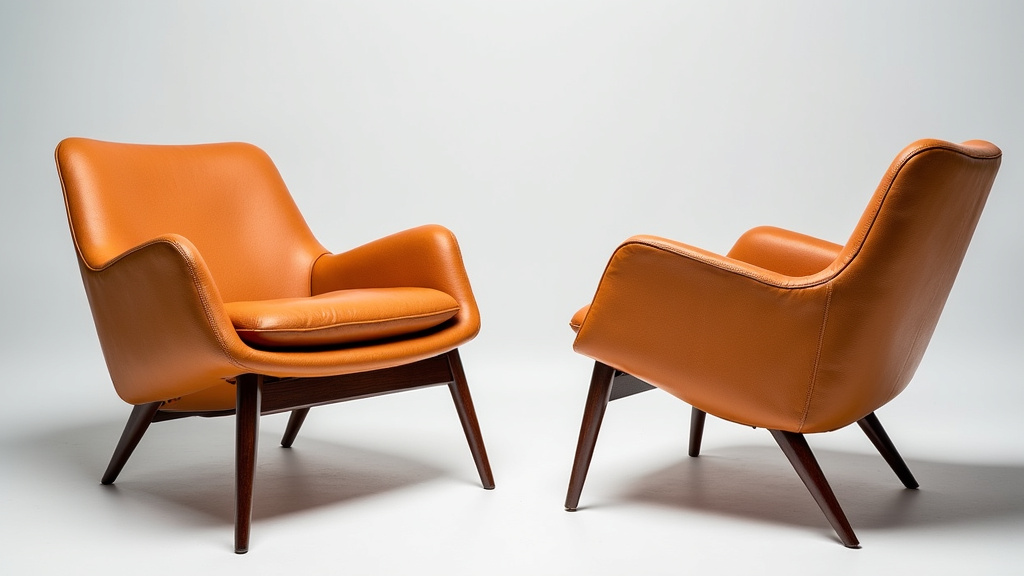
For comfort, upholstery is key. Mid-century modern chairs often feature fabrics with a slightly textured feel. Wool, tweed, and cotton blends were popular choices. Bold geometric patterns and solid, earthy tones were common. Sometimes, leather was used for a touch of luxury. The upholstery is usually fitted neatly, complementing the chair’s structure rather than overwhelming it.
Shape and Form: The Iconic Silhouettes
The shapes of mid-century modern chairs are instantly recognizable. They often strike a balance between geometric precision and organic curves. This approach results in designs that are both visually interesting and inviting. You can spot these chairs from across a room by their distinctive silhouettes.
Organic and Natural Curves
Many mid-century modern chairs incorporate curving lines. These can be found in the seat, the backrest, or the overall profile of the chair. Think of the gentle arc of a lounge chair’s back or the rounded edges of an armchair. These curves often evoke a sense of movement and fluidity. They make the chair feel more approachable and comfortable. This use of natural forms is a hallmark of the style.
Geometric Foundations
While curves are present, many designs also rely on strong geometric principles. Legs might be tapered and angled, creating a sense of lightness and stability. Rectangular or square backrests can provide a clean contrast to softer seating areas. This interplay between curves and straight lines is a defining characteristic. It results in a dynamic yet harmonious design. This mathematical approach to design was popular among many architects of the time.
Tapered Legs and Sculptural Bases
A common feature is the use of slender, tapered legs. These legs often angle outwards, giving the chair an elegant, lifted appearance. They create an open space underneath, making the chair feel less imposing. Some chairs feature more sculptural bases, like pedestal designs or tripod legs. These elements contribute to the chair’s overall visual appeal and structural integrity. They add a touch of artistic flair.
Putting It All Together: What to Look For
When you’re looking for a mid-century modern chair, keep these key aspects in mind. It’s about the combination of materials, the clean lines, and the overall thoughtful design. Don’t feel pressured to find a chair from the exact era; many reproductions capture the spirit beautifully. The goal is to find a piece that brings that timeless style into your home.
A Checklist for Identifying the Style
Here’s a quick rundown to help you spot a mid-century modern chair:
- Clean Lines: Look for simple, uncluttered shapes.
- Organic Shapes: Notice natural curves and flowing forms.
- Material Mix: Wood, metal, and upholstered sections are common.
- Tapered Legs: Slender legs, often angled, are a classic feature.
- Functional Design: The chair should look practical and comfortable.
- Minimal Ornamentation: Avoid fussy details or excessive decoration.
Conclusion
You’ve learned what makes a mid-century modern chair so distinct. It’s their blend of simplicity and functionality, often using natural woods with sleek metal or plastic accents. The iconic shapes, from organic curves to tapered legs, create furniture that feels both timeless and fresh. These chairs are more than just seating; they’re pieces of design history that can truly enhance your home’s aesthetic. Ready to bring this enduring style into your space? Start by looking for these key design elements in your next furniture search.
Frequently Asked Questions
Are mid-century modern chairs only from the 1950s?
While the peak of mid-century modern design was roughly from the mid-1940s to the late 1960s, the style’s influence extends beyond those decades. Many contemporary furniture makers create pieces that capture the essence of this era’s aesthetic. You can find new chairs that feature the clean lines and organic shapes characteristic of the style.
What are the most common wood types used in these chairs?
Research shows that hardwoods like teak, walnut, and oak were frequently chosen for their durability and rich appearance. These woods often had natural grain patterns that designers aimed to showcase. They were typically finished to highlight their warm tones, contributing to the chairs’ inviting feel.
Can mid-century modern chairs fit in a modern minimalist home?
Absolutely. The simplicity and clean lines of mid-century modern chairs make them a perfect fit for minimalist interiors. Their uncluttered forms don’t overwhelm a space, and their functional design aligns well with the minimalist philosophy. You can use them to add warmth and a touch of design history without sacrificing a clean aesthetic.
Are mid-century modern chairs comfortable for everyday use?
Yes, comfort was a key consideration for designers of this era. They focused on ergonomic shapes and often used upholstered seats with quality fabrics. While some iconic designs might be more sculptural, many mid-century modern chairs were made for practical, daily living and offer excellent support.
How can I tell if a chair is a genuine antique mid-century modern piece?
Authentic pieces often feature materials and construction techniques specific to the 1940s-1960s. Look for signs of quality craftsmanship, such as dovetailed joints in wooden parts or well-integrated upholstery. You might also find designer labels or markings. However, many reproductions are very well-made and can offer the same style benefits.