What Is a Pet-Friendly Fabric? A Clear Answer
A pet-friendly fabric is any upholstery material that can withstand the wear and tear from your furry friends. This means it’s resistant to scratches, stains, and odors. Our research found that the best choices offer both durability and ease of cleaning for busy households with pets.
Choosing the right fabric is key to keeping your furniture looking great, even with playful pups and curious cats. You want something that can handle a little bit of everything life throws at it. Think about fabrics that are easy to wipe clean and won’t snag easily from claws. We found that certain weaves and materials perform much better than others.
- What it is: Upholstery tough enough for pets.
- Key features: Scratch-resistant and stain-resistant.
- Why you need it: Protects furniture from pet damage.
- What to look for: Tight weaves and durable materials.
- Easy cleaning: Fabrics that wipe down easily save time.
Ready to find the perfect material for your home? Below, we’ll break down what makes a fabric pet-friendly and highlight some of the top options you should consider.
Choosing Upholstery That Loves Your Pets Back
When you share your home with furry companions, your furniture often becomes their favorite spot. You want furniture that can keep up with playtime and cuddles. That’s where pet-friendly fabrics come in. We found these materials are designed to be tough. They resist damage from claws and accidental spills. This means less worry for you and more comfort for everyone.
The key is understanding what makes a fabric stand up to pet life. It’s not just about being durable. It’s also about being easy to clean. After all, accidents happen. Pets shed. They might even track in a little dirt. Research shows that fabrics with certain qualities handle these challenges best. Your goal is to find a happy medium. You want comfort and style that doesn’t sacrifice practicality for your pet-loving household.
What Makes a Fabric Pet-Friendly?
A fabric becomes pet-friendly when it has several key characteristics. These features help it survive daily life with pets. We found that resistance to scratching and staining are top priorities. Odor resistance is also a big plus.
Scratch Resistance: The First Line of Defense
Does your cat love to sharpen its claws on the sofa? Do your dogs have enthusiastic tail wags that brush against furniture? If so, scratch resistance is vital. Fabrics with a tight weave tend to perform better. This means the threads are packed closely together. It makes it harder for claws to snag and pull threads loose. Looser weaves are more likely to fray. They can end up looking worn out quickly.
Think of it like a strong, dense sweater versus a loosely knitted one. The loosely knitted sweater can snag easily. A tightly woven fabric is more like a canvas. It can take a bit more of a beating before showing damage. We found that many experts recommend fabrics with a high “rub count” for durability. This refers to how many times the fabric can be rubbed before it starts to wear down.
Stain Resistance: For Those Little Accidents
Pets can be messy. Spilled water bowls, muddy paws, or even a dropped treat can lead to stains. Fabrics that are naturally stain-resistant or have been treated for stain resistance are ideal. Some materials are less absorbent. They don’t let liquids soak in as quickly. This gives you more time to clean up spills before they set.
Some fabrics have a smoother surface. This makes it harder for dirt and stains to cling to them. We found that many consumers prefer fabrics that can be spot-cleaned easily. This saves a lot of hassle. It means you don’t have to worry every time your pet has a minor mishap on the furniture.
Odor Resistance: Keeping Your Home Fresh
Let’s face it, pets can sometimes bring their own unique aromas into our homes. While regular cleaning helps, some fabrics are better at not trapping odors. Materials that are less porous or have natural antimicrobial properties can help. This keeps your furniture smelling fresh, even with pets around. We found that easy-to-clean surfaces often correlate with better odor control.
Durability and Longevity
Beyond specific resistances, the overall durability of the fabric matters. You want a material that won’t wear out quickly from daily use. This includes resisting pilling (those little balls of fluff that form on fabric) and fading from sunlight. A durable fabric means your furniture will look good for longer. This saves you money in the long run. We found that many durable fabrics are also easier to maintain.
Top Pet-Friendly Fabric Options to Consider
Now that you know what to look for, let’s explore some of the best fabric types. These are often recommended for homes with pets. We researched several options to see how they stack up.
Microfiber: A Champion of Durability and Ease
Microfiber is a synthetic fabric made from very fine threads. It’s known for its softness and its impressive durability. We found that microfiber is highly resistant to stains. Liquids often bead up on the surface. This makes them easy to wipe away. It’s also great at resisting snags and tears. This is a big win for households with active pets. Plus, it’s typically quite affordable.
Microfiber’s tight weave also makes it resistant to shedding. This is a bonus if your pets shed a lot. Cleaning is usually simple. A damp cloth can often handle most spills. For tougher spots, mild soap and water usually do the trick. It’s a popular choice for a reason. Many sources confirm its suitability for pet owners.
Leather: Stylish and Tough, with Caveats
Genuine leather can be a stylish choice for pet owners. It’s durable and can develop a beautiful patina over time. Spills often wipe right off a leather surface. This makes it very easy to clean. However, leather is not entirely immune to pet damage. Sharp claws can scratch and puncture leather. Deep scratches can be difficult to repair. Some pets might even be tempted to chew on leather.
We found that some types of leather, like top-grain or full-grain, are more robust. However, they can also be more expensive. If you opt for leather, consider choosing one with a smoother finish. This might be less appealing for cats to scratch. You might also need to train your pets to avoid scratching or chewing on the furniture. Protected or pigmented leathers tend to be more stain-resistant than unfinished ones.
Performance Fabrics: Engineered for Life’s Messes
Performance fabrics are a category of materials engineered to withstand a lot. Brands like Sunbrella, Crypton, and Revolution Fabrics offer textiles designed for high traffic and tough conditions. These fabrics are often treated or woven in ways that make them incredibly stain-resistant and durable. Many are also resistant to fading from sunlight.
We found that these fabrics are fantastic for busy households. They can handle spills, dirt, and daily wear. Many are also designed to be easy to clean. Some are even bleach-cleanable. This offers peace of mind if a serious accident occurs. While they might have a higher initial cost, their longevity can make them a cost-effective choice over time. Their performance makes them a top contender.
Canvas and Denim: Rugged and Reliable
For a more casual look, materials like canvas and denim can be excellent pet-friendly options. These are sturdy, durable fabrics. They tend to be quite resistant to punctures and tears. Their tight weaves help prevent claws from snagging easily. They are also relatively easy to clean. You can often spot-clean them with soap and water.
Canvas, especially a heavier weight, is very robust. Denim is also tough and can withstand a lot of use. We found that these fabrics often have a slightly rougher texture. This can be good as it might deter some pets from scratching excessively. They also tend to be quite affordable. If you’re looking for a practical and hard-wearing fabric, these are worth considering.
Polyester and Nylon Blends: Versatile and Strong
Many synthetic fabrics, like polyester and nylon, are good choices for pet owners. When used in upholstery, they are often woven tightly. This makes them strong and resistant to wear. They are generally good at resisting stains and fading. Polyester, in particular, is often treated to improve its stain resistance.
Nylon is known for its exceptional strength and abrasion resistance. Blends of these synthetic fibers can offer a great balance of softness, durability, and ease of care. We found that these fabrics are widely available and come in many colors and patterns. Their ability to withstand wear and tear makes them a practical choice for many homes. They offer a good combination of features.
Fabrics to Approach with Caution
While many fabrics can work, some are naturally less suited for life with pets. We found that delicate materials can cause frustration.
Delicate Fabrics: Silk, Linen, and Velvet
Fabrics like silk, linen, and some types of velvet can be beautiful. However, they are often less durable. Silk is very delicate. Linen can snag and wrinkle easily. Many velvets have a soft pile that can be easily crushed or snagged by claws. These fabrics are also more likely to absorb stains. We found that they require more careful maintenance. For most pet owners, these might not be the best primary upholstery choices.
Loosely Woven Fabrics: Chenille and Nubby Textures
Fabrics with a loose weave or a prominent texture, like some chenilles or nubby fabrics, can be a magnet for pet claws. The loops or raised fibers in these materials are easily snagged. This can lead to pulls and snags that damage the fabric’s appearance. We found that while they can be soft and inviting, their susceptibility to damage makes them a riskier choice for homes with pets.
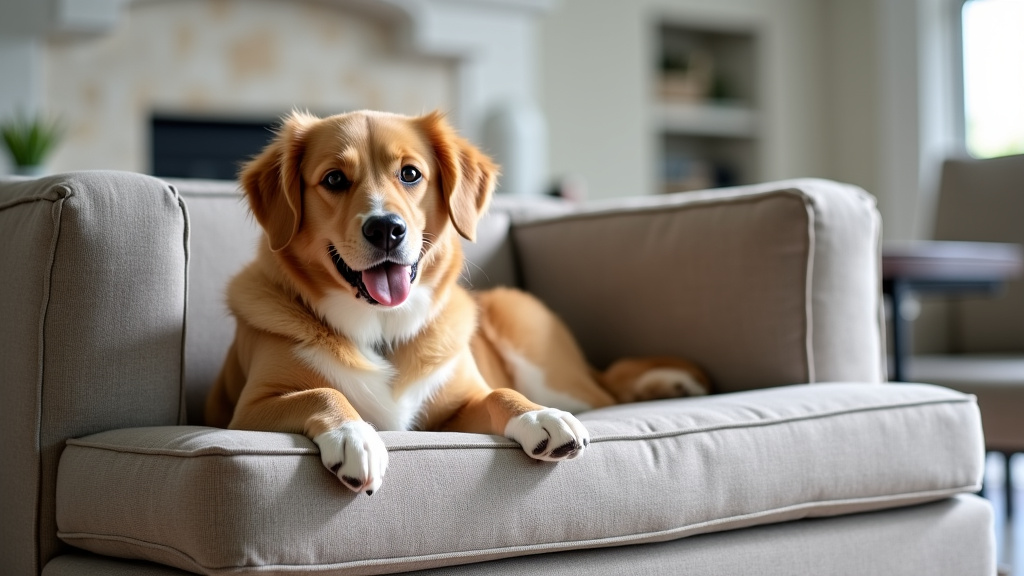
How to Test a Fabric’s Pet-Friendliness
Before you commit to a fabric, you can do a few simple tests. This can give you a good idea of how it might hold up. We found these methods helpful.
- The Scratch Test: Gently try to snag the fabric with your fingernail. Does it pull threads easily? A fabric that resists this is likely more pet-proof.
- The Water Test: Place a drop of water on the fabric. Does it bead up or soak in quickly? Fabrics that repel water are better for stain resistance.
- The Feel Test: Run your hand over the fabric. Does it feel tightly woven? Smoother textures often perform better than those with prominent loops.
A Simple Checklist for Choosing Pet-Friendly Upholstery
When you’re shopping for new furniture or reupholstering, keep this checklist handy. It summarizes the key points we’ve covered. We found that following these steps makes the process much easier.
- Prioritize durability: Look for tightly woven materials.
- Check for stain resistance: Opt for fabrics that repel liquids.
- Consider ease of cleaning: Can it be wiped down easily?
- Think about your pet: Do they scratch, chew, or shed a lot?
- Read reviews: See what other pet owners say about the fabric.
- Ask for samples: Test them at home before buying.
Conclusion
Finding the right fabric for your pet-friendly home is about balancing durability with style. We’ve learned that fabrics with tight weaves, like microfiber or performance textiles, offer the best defense against claws and spills. Remember to consider your pet’s habits and choose materials that are easy to clean. Don’t be afraid to test samples at home before making your final decision. Your furniture can look great and withstand your furry family’s adventures with the right fabric choice.
Frequently Asked Questions
Are natural fibers like cotton or wool good for pets?
Natural fibers like cotton and wool can be tricky. Cotton can stain easily and may not hold up well to scratching. Wool can be more durable and somewhat stain-resistant, but it can also be a target for chewing and may hold odors. We found that many synthetic blends often offer better performance for pet owners.
How often should I clean pet-friendly fabric furniture?
Even with pet-friendly fabrics, regular cleaning is important. We recommend frequent vacuuming to remove pet hair and surface dirt. For spills or accidents, spot clean immediately according to the fabric manufacturer’s instructions. A good routine will keep your furniture looking and smelling fresh.
Can leather furniture really withstand pets?
Leather can be durable and easy to wipe clean, making it a good option for some pet owners. However, sharp claws can scratch and puncture it, and some pets may chew on it. We found that smoother, top-grain leathers tend to be more resistant than softer, unfinished types. Consider your pet’s specific behaviors.
What does “performance fabric” mean for pet owners?
Performance fabrics are specifically engineered for high durability and resistance to stains, moisture, and fading. Brands often treat these materials to make them exceptionally easy to clean, sometimes even bleach-cleanable. We found that their resilience makes them a top choice for busy households with active pets.
Is microfiber truly a good choice for cats and dogs?
Yes, microfiber is consistently recommended for pet owners. Its tightly woven structure makes it resistant to snags and stains. Liquids tend to bead up on the surface, allowing for quick clean-up. We found it to be a very practical and affordable option that stands up well to daily pet traffic.