How to Choose an Accent Chair Color: What to Know

Choosing the right accent chair color involves balancing your room’s existing style with your personal taste. Think about the mood you want to create and the main colors already present in your space. A good rule of thumb is to pick a color that either complements or provides a pleasing contrast to your primary decor palette.
We found that the best accent chair colors often connect to other elements in the room, like accent pillows, artwork, or even a rug. Don’t be afraid to introduce a pop of color if your room feels a bit muted. Conversely, a neutral accent chair can add sophistication without overwhelming your current design.
- Consider your room’s overall color scheme.
- Think about the mood you wish to set.
- Contrast or complement existing colors.
- A neutral chair offers versatility.
- A bold chair can be a focal point.
Let’s walk through some smart ways to select the perfect color for your accent chair, making sure it feels just right in your home.
Selecting the Right Accent Chair Color for Your Space
Picking the perfect color for your accent chair can feel like a big decision. But don’t worry, it’s easier than you think! We’ve looked into what makes an accent chair color work. It really comes down to how it fits with your existing decor and the vibe you want to create.
Understanding Your Room’s Palette
Before you even think about specific colors, take a good look around your room. What are the main colors you see? Think about your sofa, walls, curtains, and even large rugs. These form your room’s core color scheme. Your accent chair color should play nicely with these existing hues. It can either blend in or stand out, but it needs a reason to be there.
The Role of Neutrals
Neutral colors like beige, gray, white, cream, or even muted black can be incredibly versatile. They act as a safe bet. A neutral accent chair won’t fight for attention. It can add texture and shape without clashing. If your room has a lot of bold colors already, a neutral chair can bring a sense of calm. We found that neutrals are a great way to introduce a new seating option without redecorating.
Using Bold Colors Wisely
On the flip side, a brightly colored accent chair can be a fantastic focal point. Imagine a stunning teal chair in a mostly cream and gray living room. It instantly adds personality and energy. However, it’s important to have something else in the room that nods to this color, even subtly. This could be a pillow, a piece of art, or a decorative object. This connection makes the bold chair feel intentional, not random. Many designers suggest picking a bold color that’s already present in a rug or artwork.
Considering the Mood You Want to Create
The color of your accent chair has a direct impact on the feeling of your room. Different colors evoke different emotions. Think about how you use the space and what atmosphere you want to cultivate. Are you aiming for a cozy, relaxing retreat or a lively, energetic gathering spot?
Cool Colors for Calm
Blues, greens, and purples are generally considered cool colors. They can create a sense of peace and tranquility. A soft blue or a muted green accent chair might be perfect for a bedroom or a reading nook. These colors can help reduce stress and promote relaxation. We found that cool tones often make a space feel larger and more open.
Warm Colors for Energy
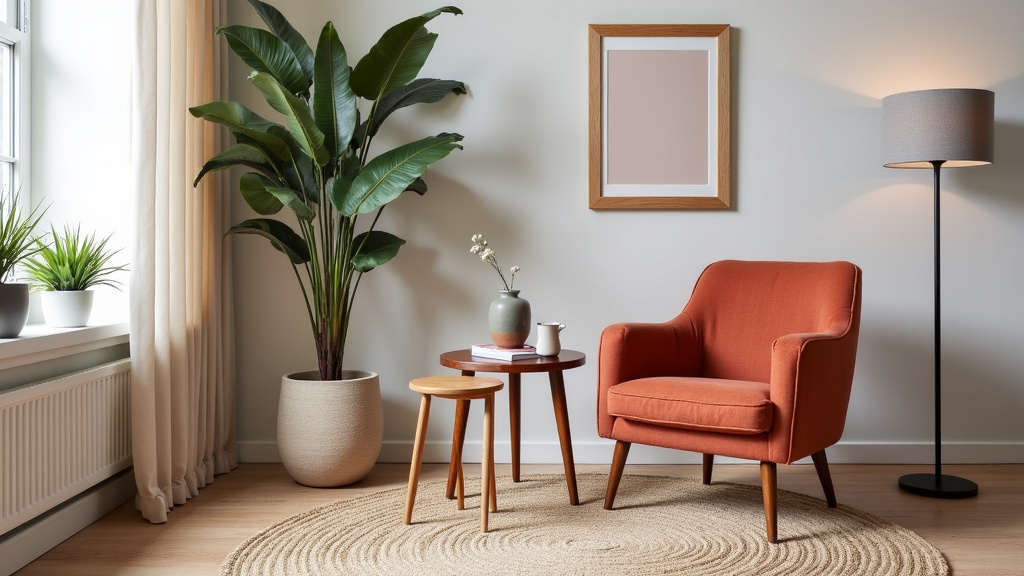
Reds, oranges, and yellows are warm colors. They tend to feel more energetic and inviting. A vibrant orange accent chair can add a pop of excitement to a living room. These colors can make a space feel cozier and more intimate. Use them thoughtfully, especially in smaller spaces, as they can sometimes make a room feel smaller. Research indicates that warm colors can stimulate conversation and activity (National Institutes of Health).
How to Make Your Accent Chair Stand Out (or Blend In)
You have two main strategies when choosing an accent chair color: make it a statement piece or help it blend harmoniously. Both can be incredibly effective.
Creating a Contrast
This is where you pick a color that’s noticeably different from your main color scheme. If your room is filled with blues and grays, a chair in a warm mustard yellow would create a strong contrast. This draws the eye and adds visual interest. It’s a great way to break up monotony. Many interior decorators suggest this approach for adding personality. You want the contrast to feel deliberate, not jarring.
Achieving Harmony
Harmony means selecting a color that complements your existing palette. This doesn’t mean it has to be the exact same color. You could pick a deeper or lighter shade of a color already in the room. Or, choose a color that’s next to your main color on the color wheel. For example, if you have blue elements, a green or teal chair could create a harmonious feel. This approach results in a calm and cohesive look. It’s often preferred for spaces where a serene atmosphere is the priority.
Considering the Material and Texture
The material of your accent chair also plays a role in how its color appears. A deep jewel tone might look luxurious in velvet. The same color in a linen fabric might feel more subdued. Texture can add depth to a color. A nubby boucle fabric in a neutral shade can be just as visually interesting as a smooth, bright leather chair. We found that textured fabrics can make even muted colors feel richer.
A Quick Checklist for Choosing Your Color
To help you make the final decision, here’s a quick checklist. Think of it as your color-choosing roadmap:
- What are the dominant colors in my room now?
- What feeling do I want this chair to add?
- Do I want the chair to stand out or blend in?
- Is there a color in the room that the chair can tie into?
- What materials and textures are already present?
- Does the color feel like ‘me’?
When in Doubt, Test It Out
If you’re still unsure, consider getting fabric swatches. Many furniture stores or online retailers offer these. You can place them in your room. See how the color looks in your lighting throughout the day. Does it clash with your sofa? Does it make the room feel too dark? This small step can save you a lot of regret. It’s a practical way to ensure your choice is the right one. We found that seeing a swatch in your own home lighting is very revealing.
Conclusion
Choosing your accent chair color doesn’t have to be a mystery. You’ve learned how to look at your room’s existing colors and the mood you want to create. Remember, your chair can either blend in for a calm look or stand out as a focal point. Consider how different colors make you feel, and don’t forget that texture plays a big part. Take your time with fabric swatches to see how a color truly behaves in your space. With these tips, you’re ready to find a chair that perfectly fits your home and your style.
Frequently Asked Questions
Can I use two different accent chairs in one room?
Yes, you absolutely can! Using two different accent chairs can add a lot of personality to your space. Just make sure they have something in common, like a similar style, color family, or material. This helps them feel like they belong together, even if they are distinct.
What if my room has a lot of patterns?
If your room already has busy patterns, it’s often best to choose an accent chair in a solid, neutral color. This gives your eyes a place to rest. If you do want to introduce a pattern on the chair, select one with a simpler design or colors that are already present in your existing patterns.
How do I know if a color is too bold?
A color might be too bold if it clashes with everything else or feels jarring when you look at it. If you’re unsure, try holding up a picture of the chair or a fabric swatch in the room. If it consistently feels like it doesn’t belong, it might be a bit too much. Starting with a slightly more muted version of a bold color is also a good approach.
Should accent chair color match my sofa?
No, your accent chair color doesn’t need to match your sofa exactly. In fact, it often looks more interesting if it doesn’t! Instead of matching, aim for a color that complements your sofa or provides a pleasing contrast. Think about colors that appear elsewhere in your room, like in artwork or pillows, to tie it all together.
What’s the best way to test a color in my room?
The best way to test a color is to get fabric swatches from the furniture store or online retailer. Place these swatches in your room, near your sofa and other decor. Look at them at different times of the day and in various lighting conditions (natural light and lamps) to see how the color changes.