What Is a Windsor Chair? A Practical Guide
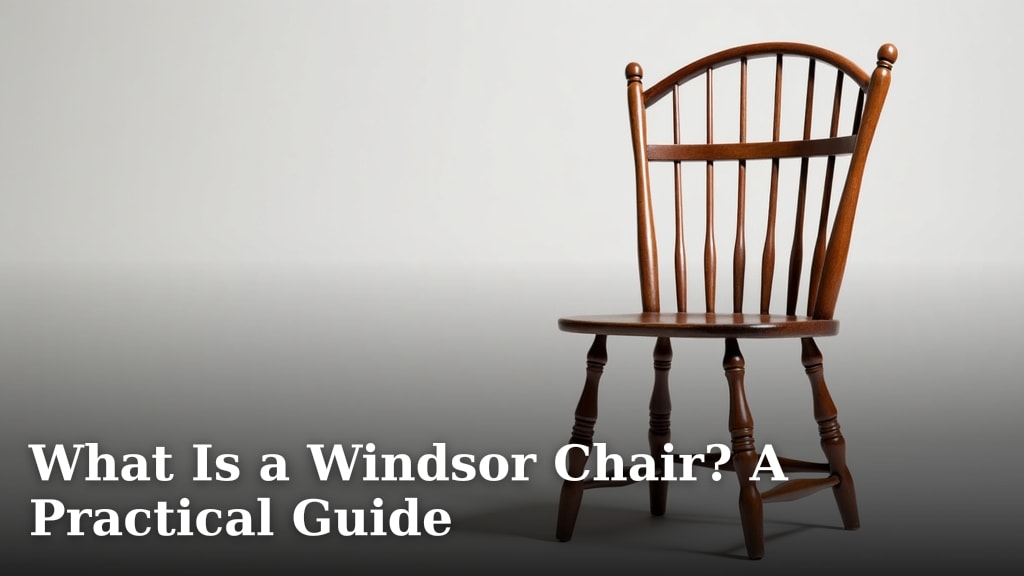
A Windsor chair is a type of wooden chair with a solid seat and a back made of turned spindles supporting a crest rail. They are known for their sturdy construction and classic good looks. You’ll often find them in dining rooms, kitchens, and studies.
These chairs first became popular in the mid-18th century and have remained a favorite ever since. Their design evolved from practical needs, but they also offer a touch of timeless elegance to any space. Many people appreciate their blend of form and function for everyday use.
- A Windsor chair has a solid seat and spindle back.
- They are durable and stylish for any room.
- This design originated in the 18th century.
- Windsor chairs fit well with various decor styles.
Ready to learn more? Below, we break down everything you need to know about identifying and appreciating a Windsor chair.
Understanding the Windsor Chair’s Anatomy
So, what exactly makes a chair a Windsor chair? At its heart, a Windsor chair is defined by a few key structural elements. It features a solid wooden seat, typically carved from a single piece of wood. This seat is then combined with a back composed of spindles. These spindles are turned on a lathe and then inserted into the seat.
These spindles don’t just look nice. They support a crest rail, which is the top horizontal piece that runs across the back. This combination creates a chair that is both comfortable and exceptionally sturdy. Think of it like the backbone and ribs of the chair. It’s a design that’s stood the test of time.
The Seat: A Solid Foundation
The seat of a Windsor chair is its foundation. It’s usually made from a single piece of hardwood. Common choices include oak, ash, or elm. The craftsman carves this piece into a shape that fits the sitter comfortably. Often, you’ll see a saddle shape. This contouring makes the chair surprisingly comfortable for long periods.
Why a solid seat? This was a practical choice. It provided a strong base for the chair’s other components. It also meant fewer parts to assemble and potentially break. This focus on durability is a big reason why so many original Windsor chairs are still around today. They were built to last.
The Spindles and Crest Rail: The Backbone of the Design
The back of a Windsor chair is its most distinctive feature. It’s made up of vertical elements called spindles. These spindles are usually turned on a lathe, giving them a uniform shape. They are then carefully fitted into holes drilled into the seat. The number and arrangement of these spindles can vary.
Supporting these spindles is the crest rail. This is the top rail that connects the spindles. It often has a gentle curve. Sometimes, there might be a secondary bow-shaped piece added. This bow piece, when present, gives the chair a more elaborate look. It’s another way designers added both comfort and style.
Types of Spindle Arrangements
You’ll notice different patterns in how the spindles are arranged. Some chairs have a simpler design with just a few straight spindles. Others feature more elaborate arrangements. Some might have slightly splayed spindles for better arm support or a more visually interesting back.
The shape of the crest rail also adds variety. Some are quite plain and straight. Others are gently curved or have a more pronounced arch. These subtle differences all contribute to the unique character of each Windsor chair. It’s like a signature from the maker.
Legs and Stretchers: Stability and Strength
The legs of a Windsor chair are also key to its identity. They are typically tapered and often inserted into the underside of the seat. This method of attachment is very secure. Like the spindles, the legs are usually turned on a lathe.
Many Windsor chairs also feature stretchers. These are horizontal pieces of wood that connect the legs. You’ll often find one or more sets of stretchers. They add significant strength and stability to the chair. Without them, the legs might wobble over time. Stretchers ensure the chair remains firm and reliable.
Common Leg and Stretcher Configurations
The most common leg configuration involves four legs. They are usually set at a slight angle to provide a stable base. The stretchers can be arranged in different ways. You might see a square formation of stretchers connecting all four legs. Some designs use an ‘H’ pattern.
Less common, but still a variation, are three-legged Windsor chairs. These are often more stool-like. The stretcher arrangement is crucial for the chair’s longevity. It prevents the legs from spreading apart under weight or shifting over time.
A Brief History of the Windsor Chair
The Windsor chair has a fascinating history that stretches back centuries. Its origins are a bit debated, but many sources point to mid-18th century England. It was a style that quickly gained popularity. This design was a departure from the more ornate furniture common at the time.
What made it so appealing? It was a practical, sturdy chair that could be produced relatively efficiently. This made it accessible. It was seen as a comfortable, everyday piece of furniture. Its design also proved remarkably adaptable over time.
From Rustic Roots to Royal Approval
Early Windsor chairs were often considered country furniture. They were functional and made for everyday use. However, their clean lines and sturdy build appealed to a wider audience. Soon, they moved from farmhouses into more fashionable homes.
Interestingly, King George III was a fan. He reportedly had many Windsor chairs in his home at Windsor Castle. This royal endorsement certainly helped boost its status. It wasn’t just a peasant chair anymore. It became a symbol of good taste and practicality. Many experts believe this royal connection helped cement its place in design history.
Evolution and Regional Variations
As the Windsor chair spread, different regions developed their own styles. In America, for instance, Windsor chair making became a significant craft. American chair makers adapted the design. They introduced unique spindle patterns and crest rail shapes.
You can often identify regional differences. For example, American Windsors might feature a comb-back design. This adds an extra row of spindles or a wider crest. Other variations include the rod-back and the fan-back. Each style tells a story about the craftsman and the time it was made.
Identifying Key Features for Shoppers
When you’re looking to buy a Windsor chair, there are a few things to keep an eye on. Understanding these features will help you choose a well-made piece. It ensures you get a chair that looks good and lasts for years.
First, check the seat. Is it solid wood? Does it feel smooth and well-contoured? A good seat is comfortable and a sign of quality craftsmanship. Avoid chairs with seats made from composite materials if you want an authentic Windsor.
The Spindles and Back Structure
Next, examine the spindles and the crest rail. Are the spindles securely fitted into the seat? Do they look straight and evenly turned? The crest rail should feel solid and well-attached to the spindles. It shouldn’t wobble.
Look at the overall back design. Does it have the classic look you’re going for? Different spindle counts and arrangements create different visual effects. Some people prefer the simpler, more open backs, while others like the fuller appearance of a comb-back.
Legs, Stretchers, and Overall Stability
Don’t forget the legs and stretchers. Are the legs sturdy and well-tapered? Are the stretchers firmly in place? Gently try to rock the chair. It should feel stable and not creaky. A well-constructed Windsor chair will feel solid, not flimsy.
Check the joints. Are there any visible gaps or rough spots? Smooth, tight joints are a sign of good craftsmanship. This attention to detail contributes to the chair’s durability and aesthetic appeal. It’s the little things that make a big difference.
Materials and Finish
Consider the wood type and finish. Windsor chairs are traditionally made from hardwoods like oak, ash, maple, or elm. The finish can range from natural wood tones to painted surfaces. A good finish protects the wood and enhances its beauty. Make sure it’s smooth and even.
Some Windsor chairs are painted. Classic colors include black, green, or red. These painted finishes often have a matte or slightly distressed look, adding to their charm. If you prefer a natural look, seek out chairs with clear finishes that showcase the wood grain.
Windsor Chairs in Your Home: Styling Tips
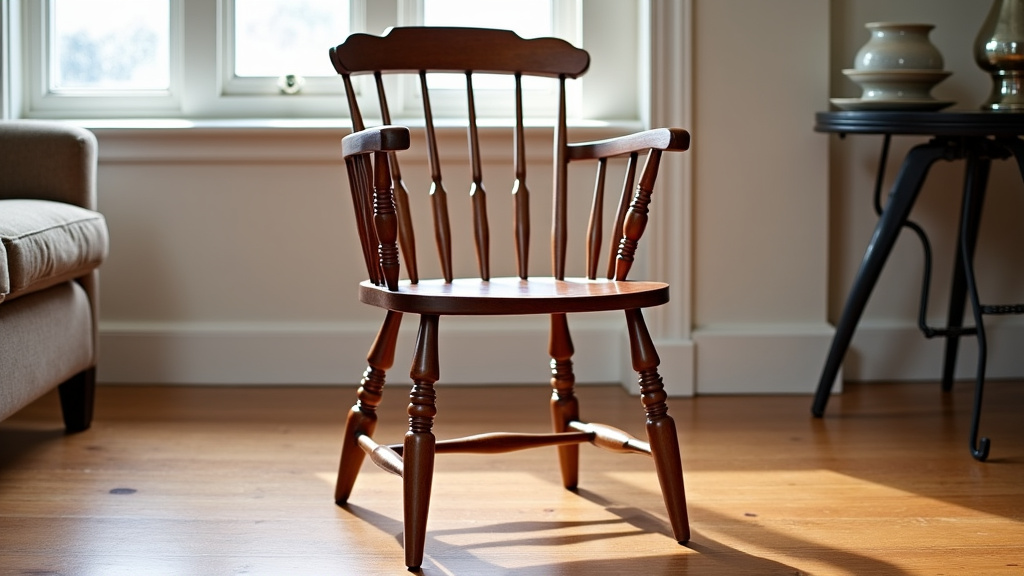
One of the best things about Windsor chairs is their versatility. They can fit into almost any room and complement a wide range of decor styles. Whether your home is modern, traditional, or somewhere in between, there’s likely a Windsor chair that will work for you.
For a traditional dining room, a set of classic Windsor chairs in a dark wood finish can create an elegant look. They pair beautifully with a solid wood dining table. Their timeless design ensures they won’t go out of style.
Modern and Eclectic Spaces
Think Windsor chairs don’t belong in a modern home? Think again! A single Windsor chair, perhaps in a bold color or a natural wood finish, can add a touch of warmth and character to a minimalist space. It can serve as an accent chair in a living room or a statement piece in a study.
In an eclectic setting, mixing Windsor chairs with other furniture styles can be fun. They can bridge the gap between antique and contemporary pieces. Don’t be afraid to pair them with sleek, modern furniture for an interesting contrast. This blend creates a unique and personalized look.
Kitchens and Entryways
Windsor chairs are also popular in kitchens. They make excellent dining chairs for a kitchen table or island. Their sturdy construction means they can handle the wear and tear of everyday kitchen life. A set of three or four can complete the look of a cozy kitchen nook.
An entryway is another great spot for a Windsor chair. Place one near the door as a place to sit while putting on shoes. It adds a welcoming touch and a practical spot to pause. A painted Windsor chair can add a pop of color to an entryway.
Here’s a quick checklist for choosing your Windsor chair:
- Check for a solid, comfortable seat.
- Ensure spindles are securely fitted.
- Look for a stable, wobble-free frame with stretchers.
- Examine the wood type and finish for quality.
- Consider how it fits your existing decor style.
- Does it feel sturdy and well-built?
Conclusion
You’ve now explored the key elements that define a Windsor chair. From its solid seat and distinctive spindle back to its sturdy legs and stretchers, this design offers a compelling blend of form and function. Understanding its anatomy and appreciating its rich history helps you spot quality craftsmanship. Whether you’re furnishing a traditional dining room or adding character to a modern space, a Windsor chair brings timeless appeal. Consider these features as you shop, and you’ll find a well-made Windsor chair that you can enjoy for years to come. Start looking for a chair that feels right and suits your home’s style.
Frequently Asked Questions
Are Windsor chairs comfortable to sit in for long periods?
Yes, many Windsor chairs are surprisingly comfortable. The seats are often carved with a saddle shape to fit the sitter. This contoured design makes them suitable for extended use, unlike many chairs with flat seats.
Can Windsor chairs be used in contemporary or modern homes?
Absolutely. A single Windsor chair can add a touch of warmth and classic charm to a modern space. Their clean lines also work well as an accent piece to contrast with sleek, contemporary furniture.
What is the difference between American and English Windsor chairs?
American Windsor chairs often show regional variations in spindle patterns and crest rail shapes. Some American styles, like the comb-back, feature extra spindle elements or wider backs, distinguishing them from many traditional English designs.
Are there different types of Windsor chairs based on the back design?
Yes, you can find various styles named after their back. Common types include the Comb Back (extra spindles), Rod Back (simpler spindle arrangement), and Fan Back (a distinctive curve to the crest rail). Each offers a unique visual appeal.
What kind of wood is typically used for Windsor chairs?
Traditionally, Windsor chairs are crafted from hardwoods. Oak, ash, maple, and elm are common choices due to their durability and workability. These woods provide a strong foundation for the chair’s construction.