What Is a Slipper Chair? Know the Details
Understanding the Slipper Chair: A Simple Guide
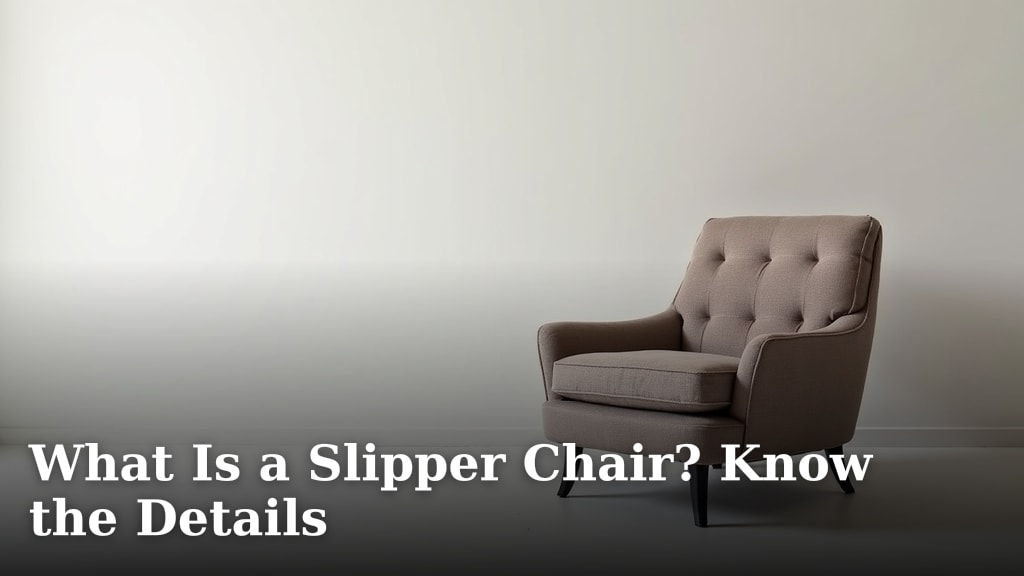
A slipper chair is a type of armless, upholstered chair with a low seat and tall, sloping back. It gets its name because people originally used it for putting on shoes or slippers. Today, it’s a versatile piece of furniture that adds both comfort and style to a room.
You’ll often see these chairs in bedrooms, living rooms, or even home offices. They are designed for relaxation, not for long periods of sitting at a desk. Think of them as your personal spot to read a book, chat on the phone, or put on your socks.
The History and Origin of the Slipper Chair
The slipper chair has a long history that goes back several centuries. It first became popular in Europe during the 1700s and 1800s.
From the 18th Century to Today
In the early days, these chairs were often found in the bedrooms of wealthy families. Women used them to sit while dressing or putting on their footwear. The design was practical for these tasks because it had no arms to get in the way.
Why “Slipper” Chair?
The name “slipper chair” comes directly from its original use. It was a chair for people to sit on while they slipped into their slippers or shoes. This simple, functional purpose shaped its core design: low to the ground, without arms, and easy to sit in briefly.
Evolution Through the Decades
Over time, the chair moved from the bedroom into other rooms of the house. In the 20th century, designers began to see it as a style piece. They experimented with different fabrics, colors, and shapes. We found that its design has remained largely unchanged, which speaks to its timeless appeal.
Key Features and Characteristics of a Slipper Chair
What makes a slipper chair different from other chairs? It has several distinct features you can easily spot.
The Defining Design Elements
Let’s break down what you’ll see in a typical slipper chair.
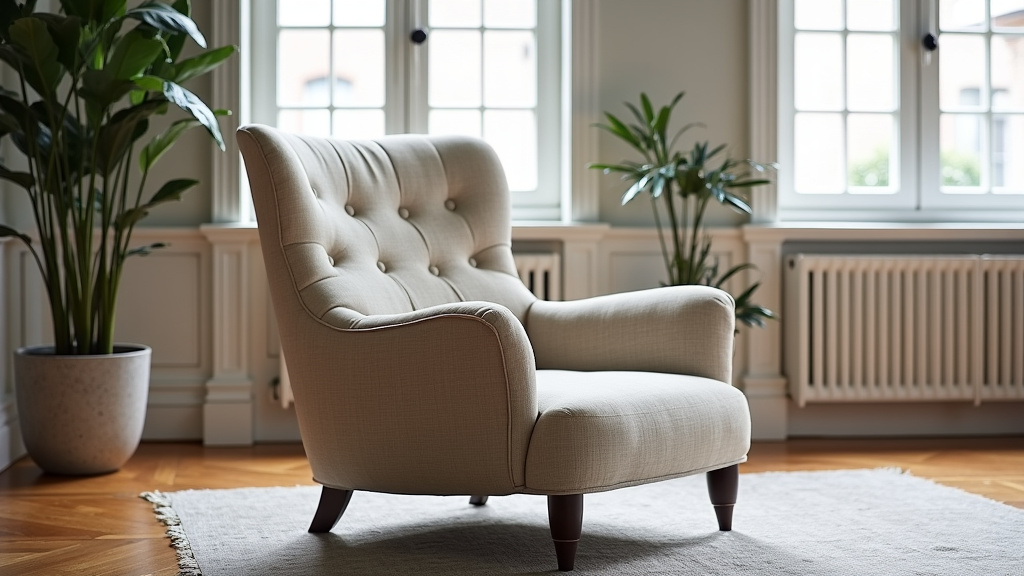
- Armless Design: This is the most important feature. Without arms, the chair is open and easy to get in and out of.
- Tall, Slightly Sloped Back: The back is usually high and slopes gently backward. This provides good support for your back while you relax.
- Low Seat Height: The seat sits lower to the ground compared to a standard dining chair. This makes it feel more intimate and cozy.
- Upholstered Comfort: Most slipper chairs are fully upholstered in fabric or leather. This makes them soft and inviting to sit in.
The lack of arms also means you can place it in tight spaces, like between a bed and a wall. Its low profile helps a room feel more open and less cluttered.
Benefits of Adding a Slipper Chair to Your Home
Why should you consider getting one? There are many practical benefits that make this chair a smart addition to many homes.
Space-Saving and Functional
If you live in a small apartment or a cozy room, a slipper chair can be your best friend. Its compact size allows it to fit into corners or small nooks where a larger armchair would not work.
We found that many interior designers recommend slipper chairs for tight spaces because they don’t visually dominate a room. You can use it in an entryway for putting on shoes, in a bedroom as a reading spot, or in a living room as extra seating.
Comfort and Versatility
While it’s not a recliner, the slipper chair offers a comfortable place to sit for short periods. Its sloped back encourages a relaxed posture. You can add a throw pillow for extra comfort if you like.
The chair is also incredibly versatile. You can move it from room to room as your needs change. One day it’s by your bed; the next, it’s in the living room for a guest to sit on.
How to Choose the Right Slipper Chair for Your Space
Shopping for a slipper chair is exciting, but with so many options, it can feel a bit overwhelming. Let’s simplify the process.
Considering Size and Scale
First, measure the space where you plan to put the chair. You need to know the width, depth, and height. The chair should fit through doorways easily and not crowd other furniture.
A good rule of thumb is to leave about 18 inches of walking space around the chair. This ensures the room doesn’t feel cramped.
Selecting Fabric and Material
The fabric you choose affects both comfort and durability. Here’s a quick guide to common options.
| Material | Best For | Pros | Cons |
|---|---|---|---|
| Cotton/Linen | Living rooms, low-traffic areas | Soft, breathable, natural look | Can stain easily, wrinkles |
| Velvet | Bedrooms, formal spaces | Luxurious feel, rich color | Shows marks, may need professional cleaning |
| Performance Fabric | Homes with kids or pets | Stain-resistant, easy to clean | May not feel as soft as natural fabrics |
| Leather/Faux Leather | Offices, modern spaces | Durable, easy to wipe clean | Can be hot in summer, may crack over time |
Many experts suggest that performance fabric is a great choice for everyday use. It balances style and practicality, which is what most households need.
Choosing the Right Style and Color
Think about your existing decor. Is your room modern, traditional, or something in between? A sleek, minimalist chair works well in modern spaces. A chair with tufted details or wooden legs might fit a more classic look.
Color is also key. A neutral color like gray or beige will blend in easily. A bold color can be a fun accent piece that adds personality to the room.
Where to Place a Slipper Chair in Your Home
Finding the perfect spot for your new chair is part of the fun. Here are some popular and practical ideas.
The Bedroom: A Classic Spot
This is the traditional home for a slipper chair. Place it in a corner, near a window, or at the foot of your bed. It becomes a perfect spot to get dressed or read before bed. Many guidelines point to the bedroom as a prime location because it’s a private, relaxing space.
The Living Room: Extra Seating
In the living room, a slipper chair can be part of a conversation area. It can sit opposite a sofa or be placed next to a side table. Because it doesn’t have arms, it can make a small living room feel more open.
The Entryway or Hallway: A Welcoming Touch
If you have a narrow entryway, a slim slipper chair can provide a place to sit while you put on or take off your shoes. It adds a welcoming, comfortable feel to your home’s entrance.
The Home Office: A Different Kind of Seat
While not for sitting at your desk for hours, a slipper chair can be great in a home office. It can be placed in a corner for a quick break, or for a guest to sit while they chat with you.
Maintaining and Caring for Your Slipper Chair
You want your chair to look good for years. Basic care is simple if you follow a few steps.
Regular Cleaning Tips
Dust the chair weekly with a soft cloth or vacuum it with a brush attachment. This prevents dust and dirt from settling into the fabric.
Dealing with Spills and Stains
Accidents happen. The key is to act fast. Blot any spill with a clean, dry cloth—don’t rub, as that can spread the stain. For most fabric chairs, check the cleaning code on the tag (usually under the cushion). The code tells you what kind of cleaner to use.
- W: Use water-based cleaners.
- S: Use solvent-based cleaners.
- WS: Either water or solvent cleaners are okay.
- X: Vacuum only—no liquids.
We found that following the manufacturer’s cleaning code is the most important step to avoid damaging the fabric.
Slipper Chair vs. Accent Chair: What’s the Difference?
These two terms are sometimes used interchangeably, but they aren’t exactly the same. Understanding the difference can help you shop smarter.
Key Differences at a Glance
An accent chair is a broad category. It’s any chair that adds a pop of style to a room. It might have arms, a high back, or a unique shape.
A slipper chair is a specific type of accent chair. Its key features are the armless design and low seat. So, every slipper chair is an accent chair, but not every accent chair is a slipper chair.
Practical Checklist Before You Buy
Use this quick checklist when you’re shopping. It will help you make a confident choice.
- Measure your space and ensure the chair dimensions fit.
- Check the doorways the chair must pass through.
- Decide on a fabric that suits your lifestyle (especially if you have kids or pets).
- Consider the chair’s weight to ensure you can move it easily.
- Test the comfort by sitting in it if possible, or check the seat height and back support.
- Verify the return policy in case it doesn’t work out.
Conclusion
A slipper chair is more than just a historic piece of furniture. It’s a smart, space-saving solution for modern homes. You now know its armless design, low seat, and sloping back make it perfect for bedrooms, entryways, or cozy corners. We covered its history, key features, and how to choose and care for one. The most important takeaway is to measure your space and consider your lifestyle before buying. Your next step is simple: use the checklist provided to find the perfect slipper chair that fits both your room and your daily needs.
Frequently Asked Questions
Can a slipper chair be used for long periods of sitting?
While comfortable, a slipper chair is designed for short-term use, like reading or putting on shoes. Its low seat and back support aren’t ideal for extended sitting, such as at a desk. You might add a supportive pillow for extra comfort if you plan to sit for longer.
How do I know if a slipper chair will fit through my doorway?
Before purchasing, measure the chair’s total width and depth, including any legs or frames. Also, measure your doorways from the narrowest point. A standard slipper chair is usually compact, but always confirm these dimensions with the retailer. It’s a simple step that prevents delivery-day frustration.
What is the best fabric for a slipper chair in a home with pets?
Based on our research, performance fabric is the best choice for homes with pets. It is engineered to resist stains and is easy to clean with a damp cloth. This material balances durability with a soft feel, making it practical for everyday life.
Where is the most common place to put a slipper chair?
The bedroom is the most traditional and popular location, often placed near a bed or in a corner. However, it’s also excellent in living rooms for extra seating, entryways for putting on shoes, or even home offices for a quick break spot. Its versatility allows you to move it as needed.
How is a slipper chair different from a regular armchair?
The key difference is that a slipper chair is armless. This makes it more open, easier to get in and out of, and better suited for tight spaces. A regular armchair has arms and is typically deeper and higher, designed for longer sitting sessions.