How to Identify a Chair Style: Style Basics
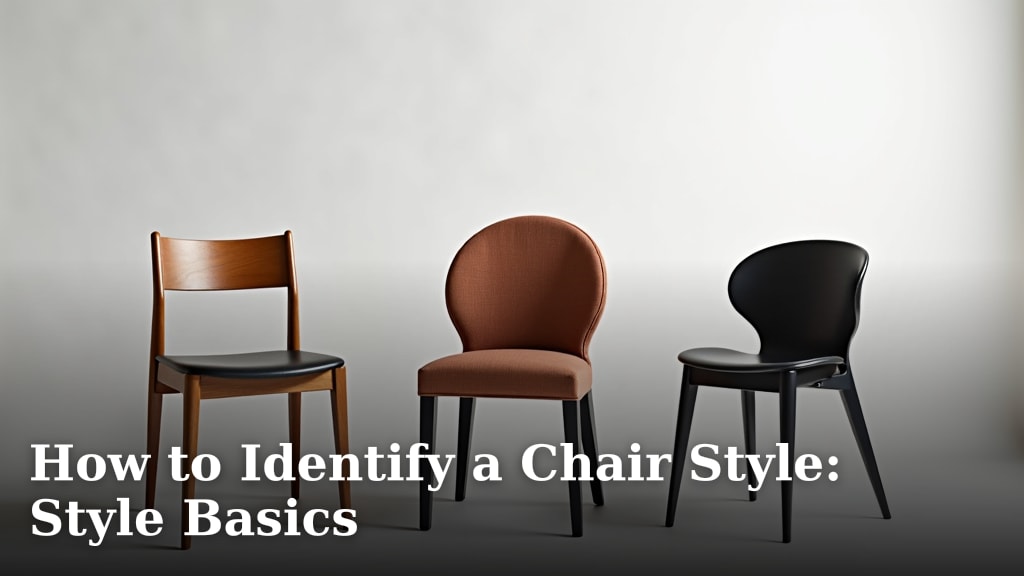
To identify a chair style, look for its core design features like shape, legs, and upholstery. The easiest way is to start with the frame and legs. A chair’s style is often defined by its silhouette and key structural details. You can spot a Mid-Century Modern piece by its tapered legs and clean lines.
Understanding chair styles helps you shop with confidence. It allows you to find pieces that fit your home and your budget. We found that many shoppers get confused by all the different names. Knowing the basics makes it much simpler. It turns a confusing task into a fun treasure hunt for your perfect seat.
- Look at the chair’s overall shape and profile first.
- Check the leg style: are they tapered, turned, or cabriole?
- Examine the backrest: is it buttoned, winged, or straight?
- Note the upholstery and any decorative details like carvings.
- Match these features to common style categories.
Below, we break down the most common chair styles. We’ll walk through each one, step by step. This guide will help you spot the difference between an Eames chair and an Eames chair. You’ll be a pro at this in no time.
Identifying Chair Styles: A Step-by-Step Guide
You can identify most chair styles by following a simple process. Start with the big picture, then zoom in on the details. First, categorize the chair into one of the four main historical groups. This initial step will narrow your search significantly. You’ll know whether you’re looking at a formal antique or a casual modern piece.
Step 1: Start with the Four Main Categories
Almost every chair falls into one of these broad families. We found that separating them first is the fastest shortcut. It prevents you from mixing up styles from different centuries.
Take a quick look at these major categories:
- Traditional / Antique: Styles before 1900. Think formal, ornate, and crafted from solid wood.
- Transitional: Blends old and new. Simpler lines than antique, but with classic hints.
- Modern / Contemporary: From the early 20th century to today. Focus on clean lines, minimalism, and new materials.
- Industrial: Utilitarian feel. Exposed metal, raw wood, and a factory-inspired look.
Ask yourself: Does this chair feel like it belongs in a castle, a modern loft, or a hipster coffee shop? That gut reaction is usually right.
Step 2: Examine the Core Features
Once you have a broad category, it’s time for detective work. Look at these four key elements. Each tells a story about the chair’s design roots. You don’t need to be an expert. Just observe what’s in front of you.
The Chair’s Silhouette and Frame
The overall shape is your first clue. Is the back tall and imposing? Is the profile sleek and low to the ground? Many experts suggest starting with the frame’s outline. A Victorian chair might have a high, curvy back. A Mid-Century Modern chair will have a lower, streamlined profile. The material matters, too. Solid oak suggests traditional. Molded plastic screams contemporary.
The Legs Tell a Story
Legs are like a chair’s birth certificate. They are one of the most reliable style indicators. Here’s what to look for:
- Tapered Legs: Slim and angled. Classic for Mid-Century Modern.
- Cabriole Legs: An S-shaped curve. A hallmark of Queen Anne and Chippendale styles.
- Turned Legs: Shaped on a lathe, often with bulbous details. Common in Traditional and some Farmhouse styles.
- Block Legs: Simple, square, and solid. Often seen in Minimalist and Industrial designs.
- No Visible Legs: A pedestal base or upholstered base. Think Eames Lounge or a modern barrel chair.
Analyze the Backrest Design
The back of the chair is where comfort meets style. The design here is often a dead giveaway. Look for:
- Wingback: Side panels “wing” out from the back. Classic for Traditional and Chesterfield styles.
- Splat Back: Vertical wooden slats. Common in Mission, Arts and Crafts, and some Shaker styles.
- Button-Tufted: Deep buttons creating a quilted pattern. Iconic for Chesterfield and some Glam styles.
- Open Back / Ladder Back: Horizontal slats. A staple of Farmhouse and rustic designs.
- Padded or Upholstered Shell: A smooth, curved back. Typical of Mid-Century and Contemporary chairs.
Check the Upholstery and Details
The fabric and decorative touches set the final mood. Is it leather, velvet, or a simple woven fabric? Are there nailhead trims or carved wood accents? We found that upholstery often updates a classic shape. A traditional wingback chair in bold orange velvet instantly feels more contemporary. These details bridge the gap between core style and personal taste.
Common Chair Styles at a Glance
To put this into practice, let’s compare some popular styles. This quick reference chart highlights their most obvious features. Use it to confirm your suspicions.
| Style | Key Silhouette | Leg Type | Common Upholstery |
|---|---|---|---|
| Queen Anne | High, curvy back | Curved cabriole legs | Elegant fabrics, often with carved details |
| Mid-Century Modern | Sleek, low profile | Tapered, angled wooden legs | Bold colors, boucle, or leather |
| Chesterfield | Rolled arms, deep button tufting | Short, often hidden or bun feet | Leather or rich velvet |
| Industrial | Utilitarian, mix of materials | Metal pipes or distressed wood | Canvas, distressed leather, or denim |
| Farmhouse | Simple, sturdy, welcoming | Square block legs or turned wood | Cotton, linen, or grain sack stripes |
| Scandinavian | Air-light, organic curves | Light wood, splayed or tapered | Neutral fabrics, natural textures |
This table is a starting point. Remember, styles blend. A chair might have a Traditional silhouette but use Modern materials. Trust your eye and the core features you’ve observed.
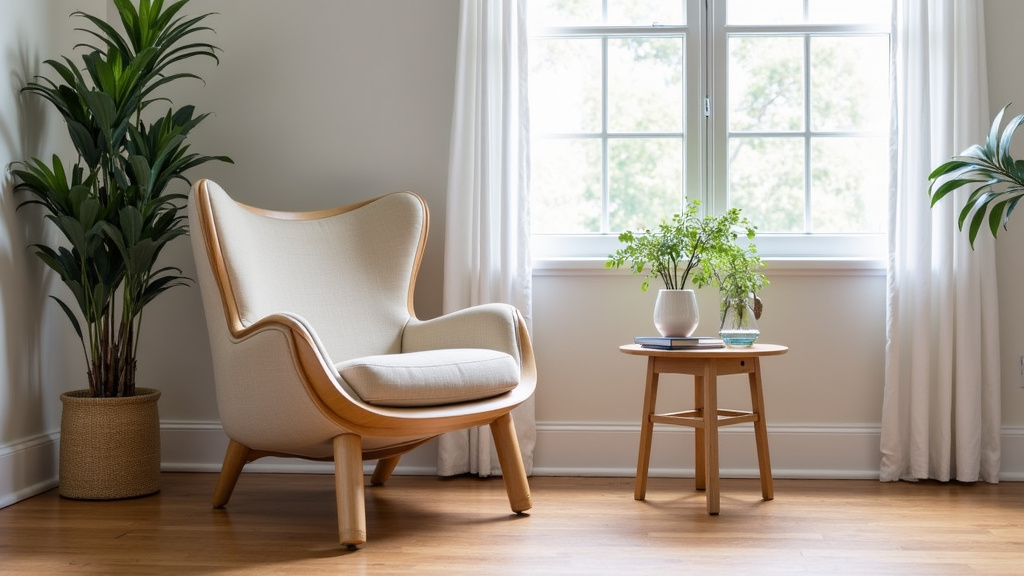
Putting It All Together: Your Identification Checklist
Ready to try it yourself? Grab a photo or stand in front of a chair. Run through this quick checklist. We found that going in this order prevents you from getting lost in details too early. Start broad, then get specific.
- 1. Overall Category: Is it Traditional, Transitional, Modern, or Industrial?
- 2. Frame Material: Is it solid wood, metal, plastic, or a mix?
- 3. Leg Style: Identify the shape—tapered, cabriole, block, or absent?
- 4. Backrest Type: Is it winged, tufted, slatted, or a smooth shell?
- 5. Key Details: Note any carving, metal hardware, or special upholstery.
- 6. Match It: Compare your findings to the common styles list or chart.
Practice this process. Try it on your dining chairs, a sofa at the store, or even in a movie scene. Soon, it becomes second nature. You’ll spot the difference between a Mission chair and a Shaker chair from across the room.
Final Tips for the Aspiring Chair Detective
A few extra pieces of advice will help you along the way. First, remember that names can be confusing. A “Barcelona Chair” isn’t from Barcelona. It’s a specific Modern design. So, focus on features, not just names. Second, consider the context. A chair’s style should make sense with the room it’s in. A sleek modern chair might look odd in a room full of Victorian antiques. Lastly, trust your taste. The “best” style is the one that feels right in your home and for your body. An ergonomic modern chair might be perfect for your back, even in a traditional living room.
Using Online Tools Wisely
You can find visual guides and apps to help you. Many furniture websites have style filters. Use them to see similar pieces side-by-side. However, we found that these tools are best used as a second check. Your own observation from the steps above is the most reliable method. Technology is a helpful assistant, but your eye is the expert.
Now you have the toolkit. You know what to look for and in what order. Shopping for a chair becomes less about guessing names and more about recognizing features. You’re ready to find that perfect piece that fits your home and your story. Happy hunting.
Conclusion
You now have a clear roadmap for decoding any chair’s style. Remember the core method: start with the four main historical categories, then examine the silhouette, legs, backrest, and details. This process cuts through the confusion of names and trends. It turns you into an informed shopper who looks past marketing jargon. Practice by identifying the chairs in your own home or at your favorite store. Soon, you’ll instinctively spot the tapered legs of Mid-Century Modern or the sturdy frame of a Farmhouse piece.
Your next step is to apply this checklist to a chair you own or admire. Take a photo, walk through the six steps, and see which style it matches. This hands-on practice is the fastest way to build your confidence.
Frequently Asked Questions
Does the material of a chair always define its style?
No, material is a strong clue but not the final answer. A leather Chesterfield is classic, while a plastic molded chair is modern. However, upholstery and finish can update a traditional shape. Always look at the overall design first, then use materials to confirm your guess.
I’m confused by names like “Chippendale.” Are those actual styles?
Yes, they are specific historical styles named after influential designers or periods. But you don’t need to memorize every name. Focus on the core features—like cabriole legs for Queen Anne or vertical slats for Mission. Names are labels; the design details are what you can actually see and identify.
How can I tell if a chair is genuinely Mid-Century Modern or just a modern replica?
Examine the craftsmanship and materials closely. Authentic pieces often have high-quality solid wood and precise joinery. Replicas may use lighter materials or have less refined finishes. We recommend checking for original labels or researching the specific maker if possible, but the silhouette and tapered legs remain key identifiers.
Are online visual identification tools reliable?
They can be helpful as a starting point, but treat them as a second opinion. These tools work by matching uploaded photos to databases. We found they’re best used after you’ve already made your own observations. Use them to confirm your analysis, not replace it, as algorithms can sometimes misidentify blends or custom pieces.
Can a chair mix two different styles?
Absolutely. Many contemporary chairs blend elements, like a traditional tufted back with minimalist metal legs. This is often called a “transitional” or “eclectic” piece. When this happens, identify the primary dominant features first. It’s okay to describe a chair by its most prominent style elements.